Sachin Tendulkar career is measured in numbers that still stand apart: 200 Test matches, 463 ODIs, 34,357 international runs and 100 international centuries. Yet his importance to Indian cricket cannot be reduced to statistics alone. From a teenager making his India debut in 1989 to lifting the 2011 World Cup at Mumbai Wankhede Stadium, Tendulkar became one of the defining sporting figures of his generation.
This Sachin Tendulkar biography covers his age, date of birth, birthplace, family, education, early cricket, international debut, career stats, records, World Cup achievements, IPL career, awards, income and legacy.
Sachin Tendulkar Biography: Quick Profile
| Details | Information |
|---|---|
| Full name | Sachin Ramesh Tendulkar |
| Date of birth | 24 April 1973 |
| Age | 53 years as of October 2026 |
| Birthplace | Dadar, Mumbai, Maharashtra, India |
| Nationality | Indian |
| Role | Batter |
| Batting style | Right-handed |
| Bowling | Right-arm off-break, leg-break and googly |
| International career | 1989–2013 |
| Test debut | 15 November 1989 vs Pakistan |
| ODI debut | 18 December 1989 vs Pakistan |
| T20I debut | 2006 vs South Africa |
| IPL team | Mumbai Indians |
| International matches | 664 |
| International runs | 34,357 |
| International centuries | 100 |
| Test runs | 15,921 |
| ODI runs | 18,426 |
| Bharat Ratna | 2014 |
His official website records his birth in Dadar, Mumbai, on 24 April 1973, while ICC lists his Test debut as 15 November 1989 and his final international match as the 2013 Test against West Indies.
Sachin Tendulkar Age, Date of Birth and Birthplace
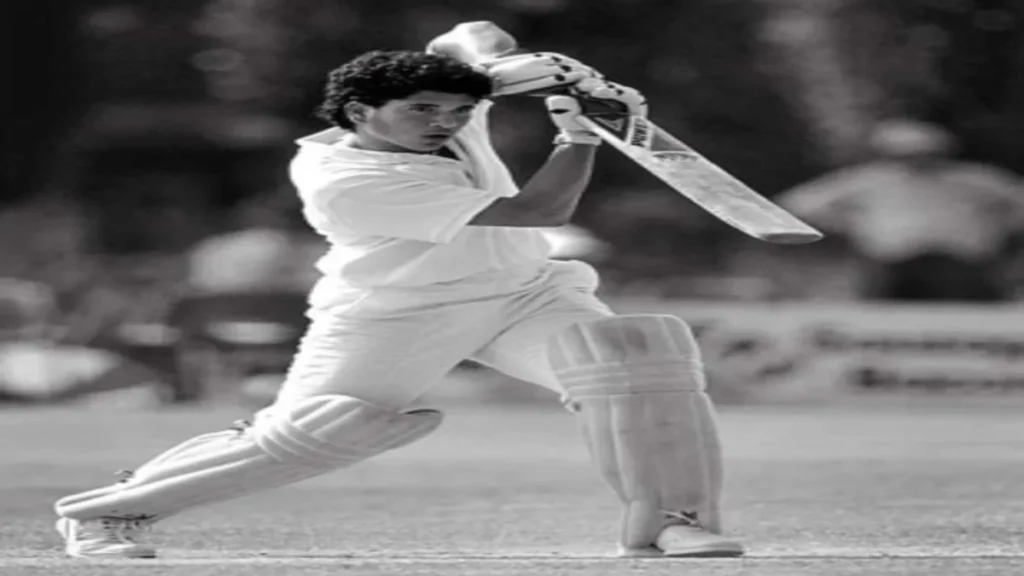
Sachin Tendulkar was born on 24 April 1973 in Dadar, Mumbai, then part of Bombay. As of October 2026, Sachin Tendulkar is 53 years old.
He grew up in Mumbai and became fascinated by cricket at a very young age. His official biography says the 1983 World Cup was a major inspiration for him, after which he began taking cricket more seriously. Under the guidance of coach Ramakant Achrekar, his talent developed rapidly.
The early years were not simply about natural ability. Tendulkar spent long hours practising, and the discipline he developed under Achrekar became an important part of his later career.
Sachin Tendulkar Family and Parents
Sachin was the youngest of four children in the Tendulkar family. His father, Ramesh Tendulkar, was a Marathi poet and novelist, while his mother, Rajni Tendulkar, worked for an insurance company.
His family supported his cricket ambitions while coach Ramakant Achrekar played a major role in shaping his technique and professional approach.BCCI has highlighted the importance of his family and Achrekar in his development as a cricketer.
Sachin Tendulkar Wife
Sachin Tendulkar married Dr. Anjali Mehta Tendulkar, a paediatrician, on 25 May 1995. His official biography records their marriage and describes Anjali as an important part of the support system around his playing career.
Sachin Tendulkar Children
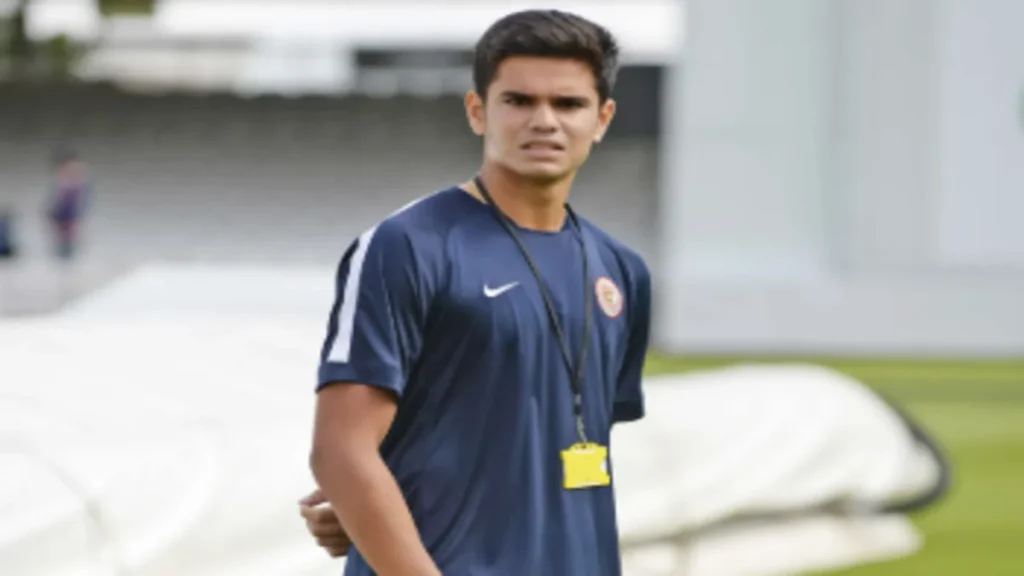
Sachin and Anjali have two children:
Sara Tendulkar is their daughter and the elder child. His official website states that she was born in 1997.
Arjun Tendulkar is their son, born in 1999.
Sachin Tendulkar Education and Early Cricket
Tendulkar attended Sharadashram Vidyamandir in Mumbai, where he played competitive school cricket. It was during these school years that his partnership with Vinod Kambli became famous. In 1988, Tendulkar and Kambli were involved in an unbeaten 664-run partnership in the Harris Shield school tournament, with Tendulkar making 326 not out.
At around 11 years of age, Tendulkar began serious training under Ramakant Achrekar. The coach became one of the most influential figures in his development.
A particularly important early milestone came when Tendulkar scored 100 not out for Mumbai against Gujarat on his first-class debut in the 1988–89 Ranji Trophy season. He later achieved the unusual feat of scoring a century on debut in the Ranji Trophy, Irani Trophy and Duleep Trophy.
Sachin Tendulkar Debut: From Mumbai to India
Tendulkar’s rise through domestic cricket was unusually fast.
Ranji Trophy Debut
His first-class debut came for Mumbai in the 1988–89 Ranji Trophy, and he immediately scored an unbeaten century. That innings established him as one of India most promising young batters.
Sachin Tendulkar Test Debut
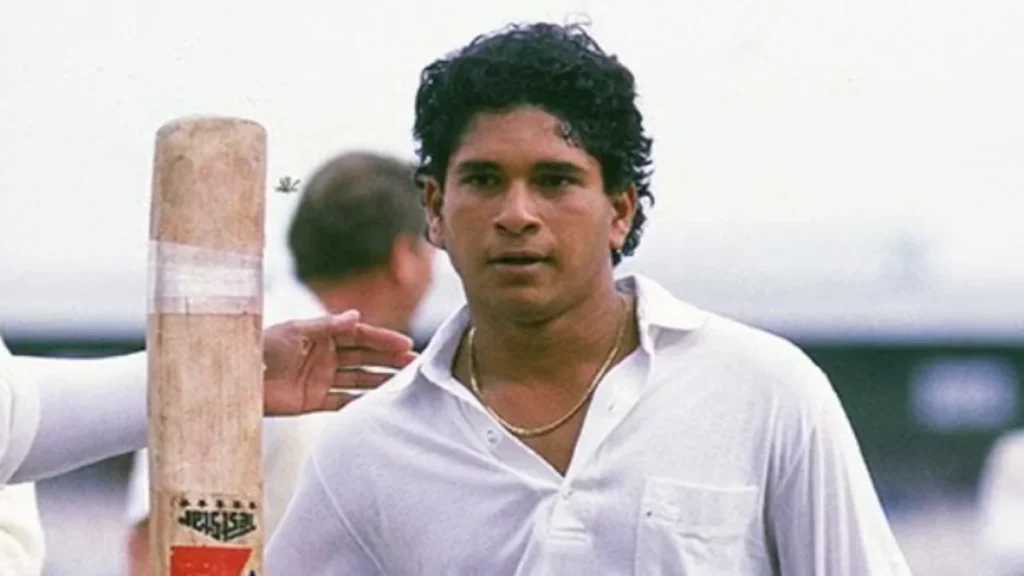
Sachin made his Test debut against Pakistan on 15 November 1989 in Karachi, aged only 16. ICC records the match as his first international appearance.
The Pakistan attack tested the teenager immediately. Instead of being overwhelmed by the occasion, Tendulkar began building the resilience that would become one of the defining features of his career.
He scored his first Test century against England at Manchester in 1990, making an unbeaten 119 to help India save the match.
Sachin Tendulkar ODI Debut
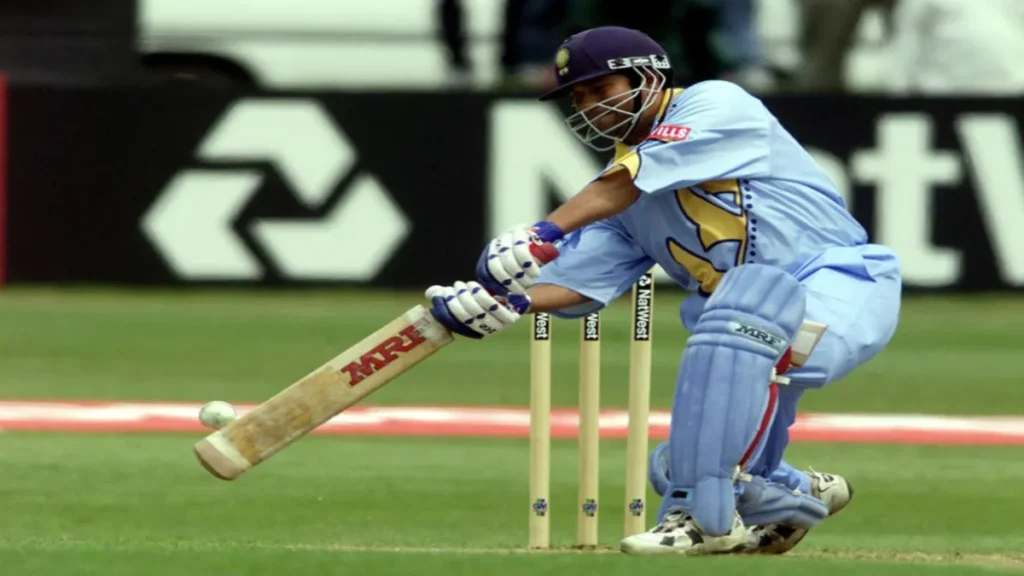
His ODI debut came against Pakistan at Gujranwala on 18 December 1989. Tendulkar was dismissed for a duck, and his first two ODI innings both ended without a run. His ODI career eventually finished with 18,426 runs, making that difficult beginning one of the more interesting details in his life story.
Sachin Tendulkar T20 Debut
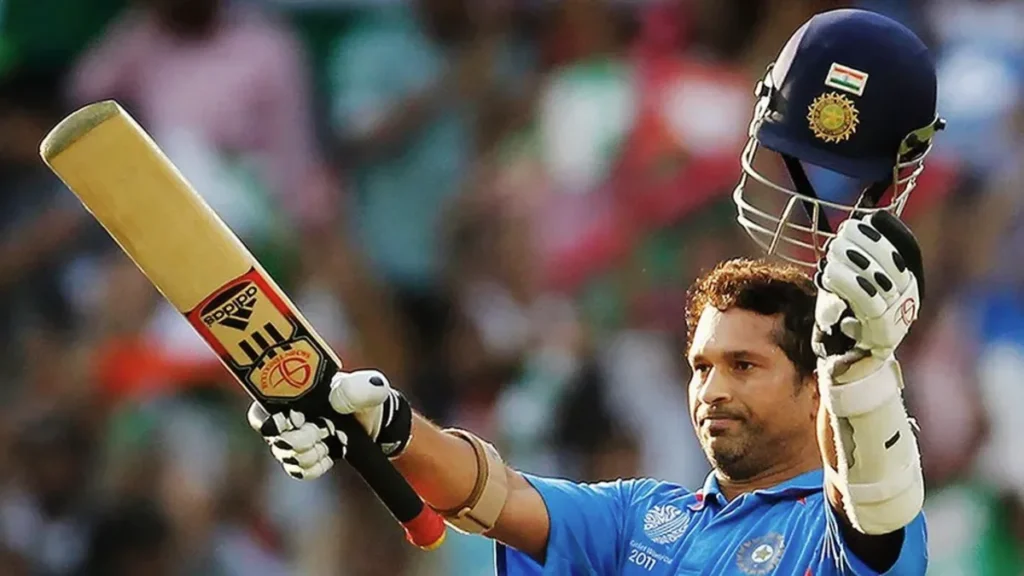
Tendulkar played only one T20 international, in 2006. He scored 10 runs. His international career was established long before T20 cricket became the dominant short-format global product, so Tests and ODIs remained the centre of his career.ESPNcricinfo records his international formats as Tests from 1989/90–2013/14, ODIs from 1989/90–2011/12 and one T20I in 2006/07.
Sachin Tendulkar Cricket Career
The Sachin Tendulkar cricket career lasted almost 24 years, from his international debut in 1989 until his retirement in November 2013.
During that period, he played in Australia, England, South Africa, New Zealand, Sri Lanka, Pakistan and other major cricketing countries. He adapted his batting to pace, swing, bounce and spin rather than building a career only around conditions in India.
His technical game was built on balance, timing and control. Straight drives, back-foot punches, cover drives and compact defensive strokes became associated with his batting. At the same time, he could accelerate rapidly when circumstances demanded it.
In 1992, Tendulkar became the first overseas-born player to represent Yorkshire County Cricket Club, an important milestone in his early international development.
In 1994, he began opening in ODIs and soon scored his first ODI century against Australia in Colombo. This change played a major role in turning him into one of the most productive ODI openers of his generation.
Sachin Tendulkar as India Captain
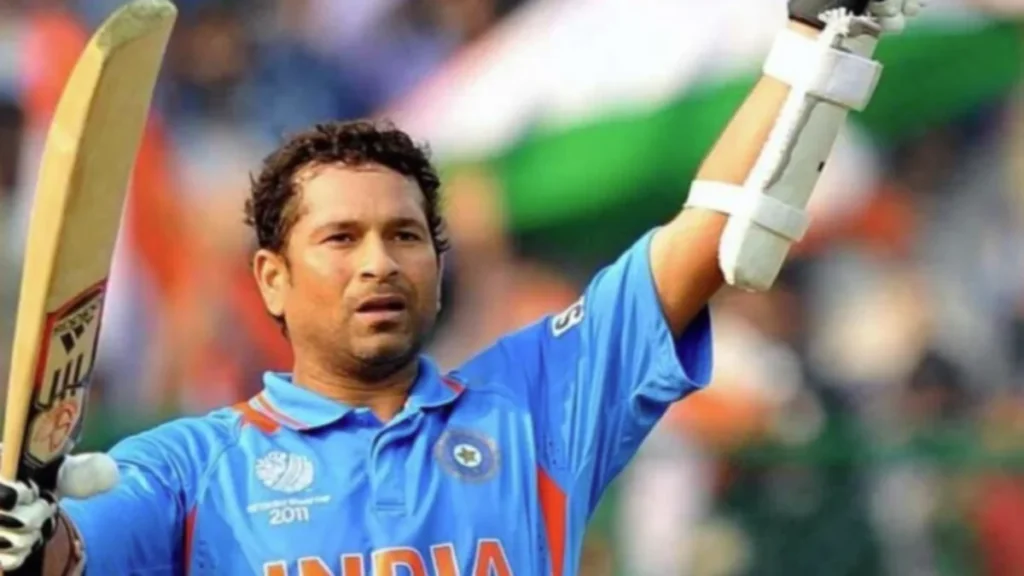
Tendulkar also captained India.
His first major captaincy period began in 1996, and he was later reappointed in 1999. The role added another layer of pressure to his career, although his captaincy results were less celebrated than his batting.
BCCI records that Tendulkar averaged 51.35 in the 25 Tests in which he captained India, illustrating that captaincy did not prevent him from producing substantial individual performances.
His captaincy is an important part of the Sachin Tendulkar career from debut to retirement, even though his greatest legacy was created as a batter rather than as a long-term captain.
Sachin Tendulkar Stats: Career Numbers
Sachin Tendulkar career statistics explain why his name remains central to discussions about the greatest batters in cricket history.
Sachin Tendulkar Test Stats
| Test record | Figures |
|---|---|
| Matches | 200 |
| Innings | 329 |
| Runs | 15,921 |
| Highest score | 248* |
| Average | 53.79 |
| Hundreds | 51 |
| Fifties | 68 |
| Wickets | 46 |
ICC and ESPNcricinfo records confirm his 200 Tests, 15,921 runs and 51 Test centuries. His highest Test score was 248 not out.
Sachin Tendulkar ODI Stats
| ODI record | Figures |
|---|---|
| Matches | 463 |
| Innings | 452 |
| Runs | 18,426 |
| Highest score | 200* |
| Average | 44.83 |
| Strike rate | 86.24 |
| Hundreds | 49 |
| Fifties | 96 |
| Wickets | 154 |
His 463 ODIs remain a career-defining number, while 18,426 runs made him the format leading run-scorer when he retired. He also became the first batter to score an ODI double hundred, making 200 not out against South Africa at Gwalior on 24 February 2010.
Sachin Tendulkar T20 Stats
| T20I record | Figures |
|---|---|
| Matches | 1 |
| Innings | 1 |
| Runs | 10 |
| Highest score | 10 |
| Average | 10.00 |
| Strike rate | 83.33 |
| Wickets | 1 |
With only one T20I, his T20 stats form a very small part of his overall international record.
Sachin Tendulkar Total International Runs and Centuries
Across Tests, ODIs and T20Is, Sachin Tendulkar scored 34,357 international runs and 100 international centuries.
The century total consists of:
- 51 Test centuries
- 49 ODI centuries
- 100 overall
He became the first player to reach 100 international hundreds in March 2012, when he scored 100 against Bangladesh in the Asia Cup.
The milestone answered one of cricket biggest statistical questions: How many centuries did Sachin Tendulkar score? The answer is 100 in international cricket.
Sachin Tendulkar Highest Score in Test and ODI Cricket
Sachin Tendulkar highest scores differ sharply by format.
His highest Test score was 248 not out, made against Bangladesh in Dhaka in 2004.
His highest ODI score was 200 not out against South Africa in Gwalior in 2010.
The ODI double century was historically significant because Tendulkar became the first male batter to score 200 in an ODI innings.
Sachin Tendulkar Wickets and Bowling
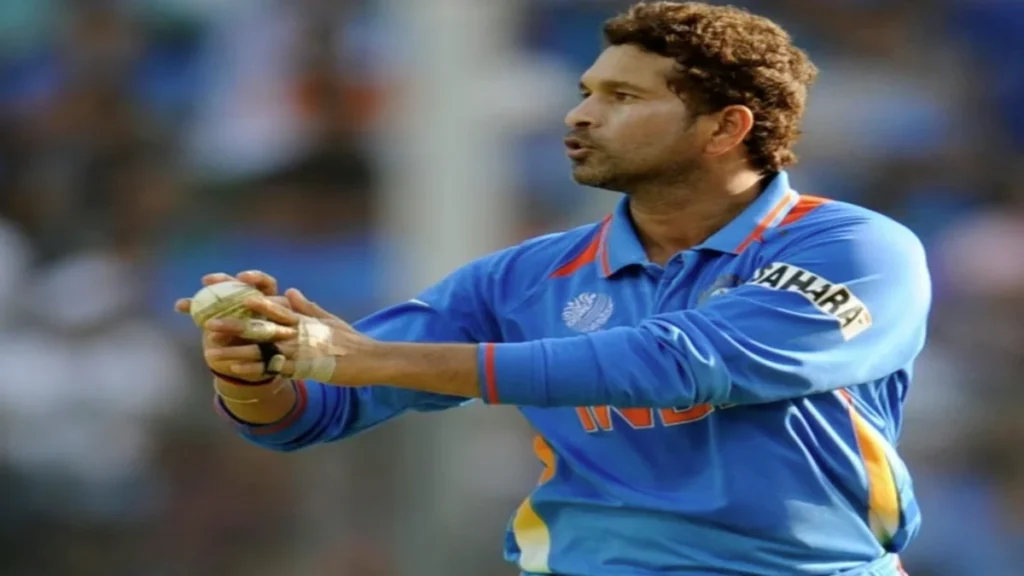
Although Tendulkar is remembered primarily as a batter, his bowling was useful throughout his career.
He took:
- 46 Test wickets
- 154 ODI wickets
- 1 T20I wicket
ESPNcricinfo lists his bowling types as right-arm off-break, leg-break and googly.
His most famous bowling contribution came in ODI cricket, where he could occasionally break partnerships and give captains an extra option. He also produced a memorable spell in the 1993 Hero Cup semi-final against South Africa, defending six runs in the final over.
Sachin Tendulkar World Cup Career and Records
Tendulkar played in six ICC Men Cricket World Cups, from 1992 through 2011. He finally won the trophy with India in 2011 after earlier appearances in 1992, 1996, 1999, 2003 and 2007.
Sachin Tendulkar World Cup Records
His World Cup career produced several remarkable figures:
| World Cup record | Sachin Tendulkar |
|---|---|
| World Cup runs | 2,278 |
| World Cup centuries | 6 |
| World Cup fifties | 15 |
| World Cup appearances | 6 |
| Best World Cup score | 152 |
| Runs in 2003 World Cup | 673 |
His 2,278 World Cup runs remain the highest aggregate in men World Cup history, according to ICC. He also scored 673 runs in the 2003 edition, which was the record for a single World Cup until Virat Kohli scored 765 in 2023.
That distinction matters when discussing Sachin Tendulkar world records. Some of his old records remain unbeaten, while others have since been surpassed. His six World Cup centuries, for example, are no longer the tournament record.
2011 World Cup Victory
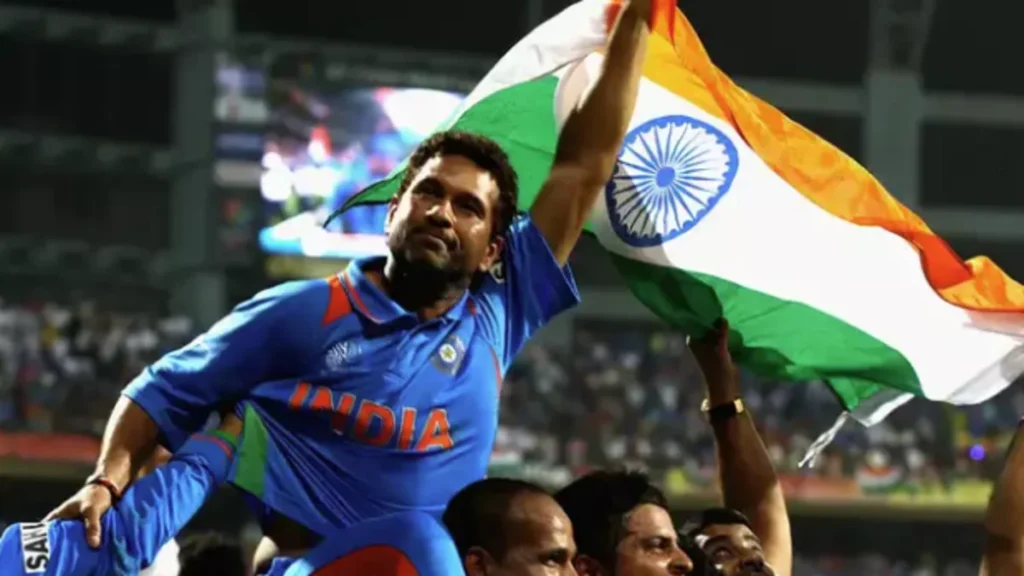
The 2011 World Cup was the emotional climax of Tendulkar international career.
India defeated Sri Lanka in the final at Wankhede Stadium, Mumbai, and Tendulkar finished the tournament as India leading run-scorer with 482 runs.For a player who had appeared in five previous World Cups without winning the trophy, lifting it on home soil carried special significance.
Sachin Tendulkar IPL Career
Tendulkar entered the IPL in its first season in 2008 and played every IPL season of his career for the Mumbai Indians.
Sachin Tendulkar IPL Team
His IPL team was:
Mumbai Indians
He never moved to another IPL franchise. Mumbai remained his only IPL home throughout his playing career.
Sachin Tendulkar IPL Stats
| IPL record | Figures |
|---|---|
| Team | Mumbai Indians |
| Seasons | 2008–2013 |
| Matches | 78 |
| Runs | 2,334 |
| Highest score | 100* |
| Average | 34.84 |
| Strike rate | 119.82 |
| Hundreds | 1 |
| Fifties | 13 |
Mumbai Indians records confirm his 2,334 IPL runs, while major statistical databases list 78 matches and his century in the competition.
His best IPL season came in 2010, when he scored 618 runs in 14 innings and finished as the season leading run-scorer.
In 2013, Mumbai Indians won their first IPL title.Tendulkar final IPL season therefore ended with a championship before he stepped away from the format.
Sachin Tendulkar IPL Runs and Records
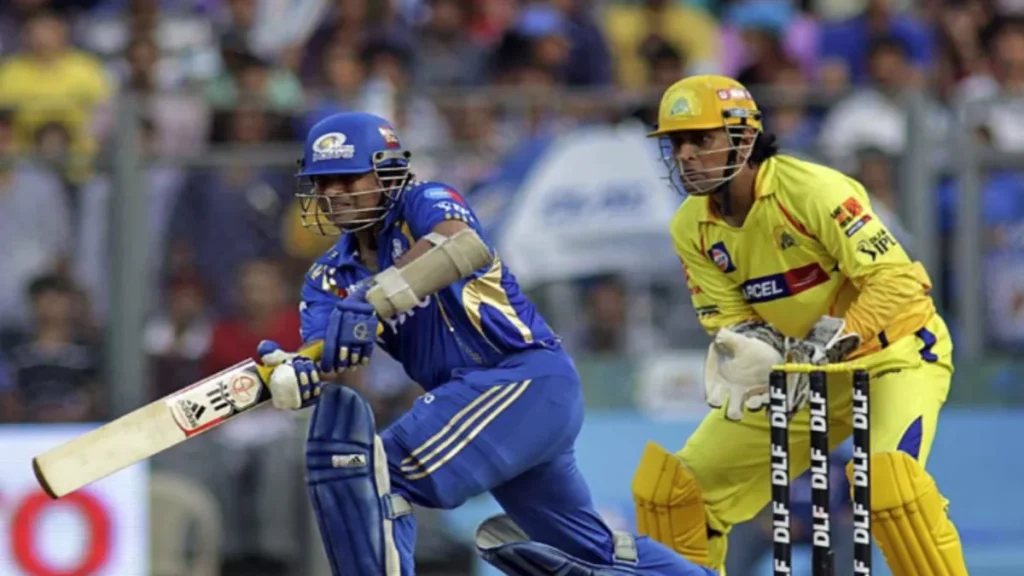
Tendulkar did not approach T20 batting exactly like later power hitters. His value came from timing, placement and building innings, but his IPL numbers prove that he could still perform effectively in the shortest format available to him.
The most significant IPL points are his 2,334 career runs, one IPL century, 13 fifties and 618 runs in 2010.
His Mumbai Indians career also helped connect the Tendulkar era with the next generation of Indian T20 cricket.
Sachin Tendulkar Retirement
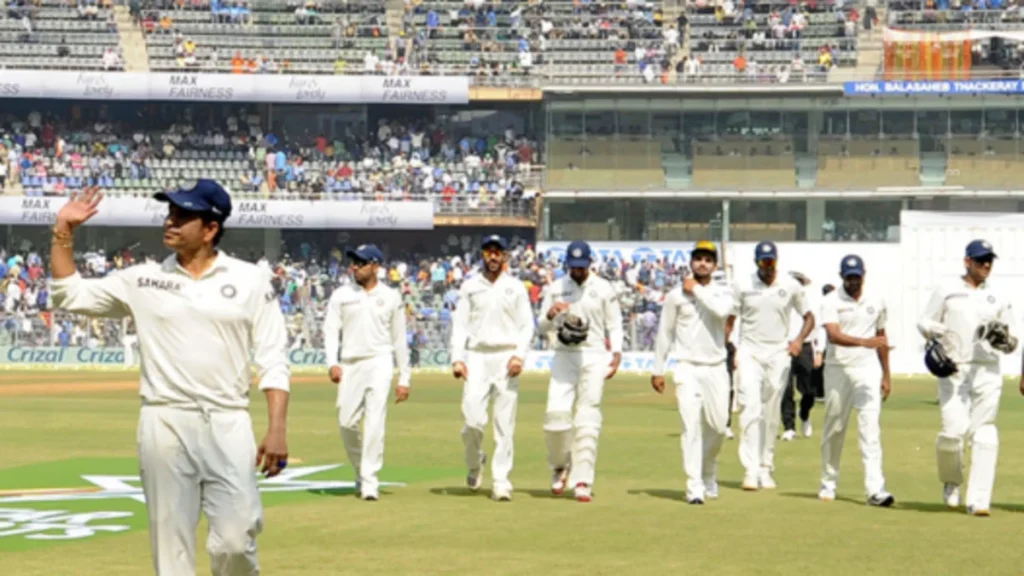
Tendulkar retired from international cricket after reaching the milestone of 200 Test matches.
His final Test was against West Indies at Wankhede Stadium in Mumbai. The match began on 14 November 2013, and India completed the victory on 16 November. ICC lists the final match as the Wankhede Test ending his international career.
The retirement brought an end to a career that had begun when he was just 16.
He finished with:
200 Tests + 463 ODIs + 1 T20I = 664 international matches
and
15,921 Test runs + 18,426 ODI runs + 10 T20I runs = 34,357 international runs.
Sachin Tendulkar Major Records and Achievements
Tendulkar record book is extensive, but several achievements stand above the rest.
He is the all-time leader in Test appearances with 200 and finished his career with 15,921 Test runs. His 18,426 ODI runs remain one of the defining marks of the format. He was also the first player to score 100 international centuries and the first to make an ODI double hundred.
Other major milestones include:
- First-class century on Ranji Trophy debut.
- Centuries on debut in the Ranji, Irani and Duleep trophies.
- First batter to score 200 in an ODI.
- 100 international centuries.
- 2,278 World Cup runs.
- 673 runs in the 2003 World Cup.
- 200 Test appearances.
- 34,357 international runs.
- 2011 World Cup winner.
Sachin Tendulkar Awards and Honours
Sachin Tendulkar received some of India highest sporting and civilian honours.
Among the most important are:
| Year | Award / Honour |
|---|---|
| 1994 | Arjuna Award |
| 1997–98 | Rajiv Gandhi Khel Ratna |
| 1999 | Padma Shri |
| 2008 | Padma Vibhushan |
| 2010 | ICC Sir Garfield Sobers Trophy |
| 2014 | Bharat Ratna |
His official career timeline also records the Shiv Chhatrapati Award, Maharashtra Bhushan Award, and other honours.
Sachin Tendulkar Bharat Ratna Achievement
The Bharat Ratna is India highest civilian award. The Government of India announced the decision to confer it on Tendulkar in November 2013, and the President of India formally presented the award on 4 February 2014. He became the first sportsperson to receive the honour.
The award demonstrated that his importance extended beyond cricket statistics and sporting results.
Sachin Tendulkar Net Worth and Sources of Income
A precise, independently audited figure for Sachin Tendulkar net worth is not publicly established through an authoritative source. For that reason, it would be misleading to present a single media estimate as confirmed wealth.
His income over the years has come from several sources, including:
- International and domestic cricket earnings
- IPL earnings
- Major endorsement agreements
- Brand partnerships and commercial appearances
- Business and sports-management activities
For context, Forbes reported that Tendulkar earned $22 million in 2013, including $18 million from endorsements. That figure was annual earnings, not net worth.
More recently, Kroll 2025 India Celebrity Brand Valuation Report, reported by Business Standard in 2026, estimated Tendulkar’s brand value at $125.9 million. Brand value should not be confused with personal net worth.
So, the safest answer to “What is Sachin Tendulkar’s net worth?” is that widely circulated estimates vary, but there is no reliable public figure that should be treated as an audited number.
What Is Sachin Tendulkar Doing After Retirement?
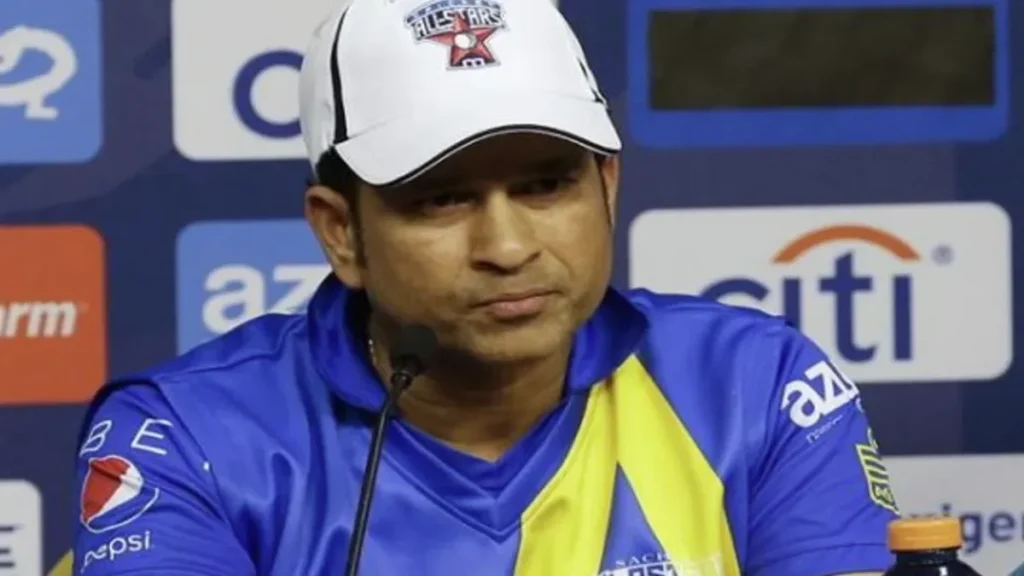
Retirement did not remove Tendulkar from cricket or public life.
His current work includes commercial partnerships, sports-related initiatives and philanthropy through the Sachin Tendulkar Foundation. His official organisation describes its work around children, sports, education and health.
His post-playing work has remained active in 2026. His official site lists initiatives in Bastar and Dantewada, along with other community projects.
The Sachin Tendulkar Foundation was established to support social change, with a particular emphasis on children and their access to sports, education and healthcare.
Why Is Sachin Tendulkar Called the God of Cricket?
The phrase God of cricket is a fan-created nickname rather than an official title.
It became associated with Tendulkar because of the extraordinary combination of longevity, technical quality, consistency, records and emotional importance he had for cricket supporters, particularly in India.
He performed through multiple generations of bowlers, format changes and changing expectations. His career lasted nearly a quarter of a century, and his 100 international centuries gave the nickname a statistical dimension as well.
The phrase should therefore be understood as an expression of admiration rather than a formal sporting designation.
Sachin Tendulkar Life Story and Legacy
The Sachin Tendulkar life story is unusual because success arrived extremely early, but it was sustained for decades.
He went from a Mumbai schoolboy to a teenage international player, then became India leading batter, a World Cup veteran, a global sporting icon and eventually a recipient of the Bharat Ratna.
His influence also reached beyond his own generation. Players including Virat Kohli have openly described Tendulkar as an inspiration, while the statistical milestones of 34,357 international runs and 100 centuries created a benchmark that future batters continue to measure themselves against.
His legacy is also more nuanced than simply calling him a record-holder. Some of his famous records have been broken. Virat Kohli surpassed Tendulkar 49 ODI centuries and the 673-run record for a single World Cup, for example. Yet Tendulkar overall body of work remains exceptional because very few cricketers have combined elite numbers with such longevity and consistency.
For readers exploring other great players from the same broad cricketing tradition, our biographies of Sourav Ganguly, Joe Root and Rohit Sharma provide useful comparisons across different eras and styles. You can also read about Mohammed Shami and Vaibhav Arora to explore the careers of other Indian cricketers.
Final Thoughts
Sachin Tendulkar biography is ultimately the story of extraordinary talent backed by discipline, patience and remarkable longevity. From a first-class century as a teenager to 200 Tests, 18,426 ODI runs, 100 international centuries and a World Cup triumph in 2011, his career changed the scale by which Indian batting greatness was judged.
Even after retirement, his influence continues through cricket, mentoring, commercial work and philanthropy. That combination explains why Sachin Tendulkar remains one of the most recognisable and respected names in cricket.
FAQ
When did Sachin Tendulkar make his international debut?
He made his Test debut on 15 November 1989 against Pakistan in Karachi and his ODI debut on 18 December 1989 against Pakistan at Gujranwala.
When did Sachin Tendulkar retire?
Tendulkar retired from international cricket in November 2013 after playing his 200th Test against West Indies at Wankhede Stadium, Mumbai. The final Test concluded on 16 November 2013.
How many centuries did Sachin Tendulkar score?
He scored 100 international centuries, made up of 51 Test hundreds and 49 ODI hundreds.
How many runs did Sachin Tendulkar score?
Sachin Tendulkar scored 34,357 runs in international cricket: 15,921 in Tests, 18,426 in ODIs and 10 in T20Is.