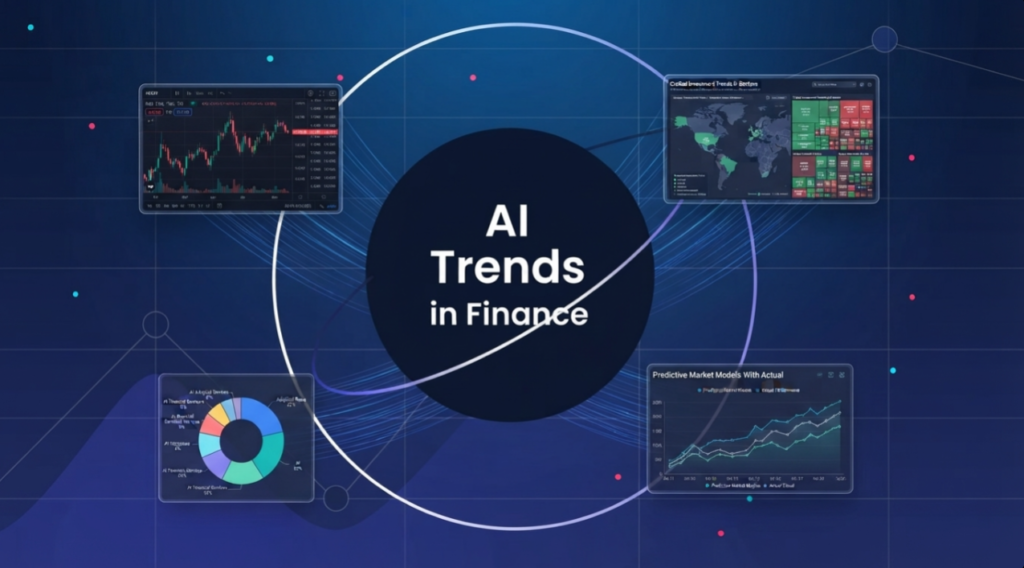

The global financial landscape is experiencing a profound technological shift. Financial institutions, investment firms, and corporate treasuries are moving away from legacy spreadsheet modeling and manual reconciliation toward continuous, data-driven software architectures. Fueled by artificial intelligence, real-time data processing, and automated risk analysis, modern organizations now evaluate risk, allocate capital, and deploy resources at velocities that were previously unimaginable.
Navigating this transition requires strategic clarity. Executive leadership must balance the aggressive pursuit of technological performance with strict operational oversight, regulatory compliance, and bulletproof security protocols. When implemented thoughtfully, the integration of computational intelligence into core management systems elevates financial operations from reactive accounting into a proactive, value-generating engine.
The Evolution of Intelligent Risk Analytics and Operational Modeling
Modern markets generate vast streams of unstructured operational and market data every second. Traditional static models struggle to digest rapid shifts in interest rates, supply chain disruptions, or macroeconomic volatility in real time.
Computational finance systems solve this challenge by applying predictive machine learning algorithms directly to live transaction feeds. These intelligent models identify subtle correlations, evaluate credit risks instantly, and simulate complex market scenarios to help CFOs and treasury managers make evidence-based decisions.
Across the broader financial services sector, institutions leverage intelligent software to detect fraudulent transactions, optimize liquidity buffers, and automate portfolio rebalancing. Rather than replacing human oversight, these systems augment risk committees by highlighting anomalies and predicting cash flow requirements long before operational shortfalls occur.
Automating Core Accounting Workflows and Treasury Ops
While high-level predictive analytics capture market headlines, much of an organization’s daily financial health depends on repetitive transactional precision. Processing accounts payable, verifying supplier invoices, executing payroll across multiple jurisdictions, and balancing general ledgers demand immense administrative bandwidth.
Manual handling of these dense transactional workflows introduces human error, compliance friction, and delayed reporting cycles.
To streamline core accounting tasks, corporate finance departments increasingly deploy advanced AI Automation pipelines. Intelligent OCR tools extract data from complex multi-currency invoices, cross-reference them against purchase orders automatically, and route exceptions to human managers for quick sign-off. This automated throughput drastically reduces closing cycles at month-end, enabling finance teams to pivot from manual data entry to strategic financial analysis.
Aligning Enterprise Software Architecture with Corporate Growth
Deploying intelligent algorithms without an overarching organizational roadmap often results in isolated data silos. For software to drive meaningful commercial outcomes, technological tools must be tightly integrated into the broader corporate direction.
Formulating a resilient Business Strategy requires corporate leadership to treat technology as a foundational pillar rather than an auxiliary cost center. When enterprise resource planning (ERP) platforms, customer relationship management (CRM) software, and automated treasury engines communicate seamlessly, leadership gains real-time visibility into profit margins, customer acquisition costs, and operational bottlenecks.
This continuous operational clarity allows executive teams to reallocate capital dynamically, scale high-performing business units rapidly, and adapt to shifting market conditions with minimal friction.
Securing Digital Assets and Enhancing Brand Governance
As financial organizations digitize their operations, their public-facing web portals, investor relations hubs, and customer applications become critical brand touchpoints. Ensuring these platforms remain secure, authoritative, and easily accessible is essential for maintaining investor trust and commercial growth.
If an enterprise financial portal suffers from security vulnerabilities, poor site structure, or sudden search indexing drops, the organization faces immediate reputational and customer acquisition risks.
To build long-term online domain authority ethically and maintain high organic search visibility, corporate digital teams employ strict White hat SEO practices. By focusing on site performance, clear data structures, secure HTTPS protocols, and high-value educational content, financial organizations protect their web assets from search engine penalties while establishing themselves as credible, trustworthy sources of industry knowledge.
Maintaining ethical, transparent web standards ensures that digital properties accurately reflect the firm’s operational integrity and brand reputation.
Modernizing Treasury with Custom Digital Ecosystems
No two corporate financial structures are identical. Global enterprises operating across multiple markets often require tailored software environments to manage complex tax frameworks, cross-border currency exchanges, and specialized compliance reporting.
Off-the-shelf software solutions often lack the flexibility required to support specialized operational models.
To bridge these technical gaps, forward-thinking organizations invest in bespoke Financial Solutions designed to integrate directly with legacy banking APIs and multi-cloud databases. Custom financial dashboards empower treasury teams to monitor currency exposures in real time, automate hedging strategies, and generate audit-ready compliance reports for international regulatory bodies.
Customizing software tools to match specific operational workflows helps organizations minimize currency risks, reduce transaction costs, and maintain total control over global capital allocation.
Security, Compliance, and Ethical AI Governance
As financial platforms process increasingly sensitive transaction data and deploy autonomous decision-making algorithms, governance and cybersecurity must take center stage. Regulators worldwide are tightening controls surrounding algorithmic transparency, anti-money laundering (AML) protocols, and customer data protection.
Financial software architectures must enforce strict role-based access controls, zero-trust network protocols, and comprehensive audit trails.
Key pillars for ethical technology management in finance include:
- Algorithmic Explainability: Ensuring automated credit and risk scoring models provide clear, auditable logic to prevent biased outcomes.
- Continuous Threat Monitoring: Deploying real-time cybersecurity protocols to defend financial databases against unauthorized access and data breaches.
- Regulatory Compliance Syncing: Updating automated compliance software continuously to adapt to evolving global tax and privacy regulations.
- Data Sovereignty Protection: Managing multi-currency customer data in strict compliance with localized privacy laws such as GDPR and CCPA.
Prioritizing security and regulatory alignment safeguards financial assets while reinforcing long-term market confidence.
The Future of AI and Financial Software
The integration of artificial intelligence and modern enterprise software is permanently altering the corporate finance landscape. From real-time risk modeling and dynamic capital allocation to automated accounting pipelines and secure web governance, intelligent technology empowers financial organizations to operate with unprecedented precision, speed, and strategic foresight.
As software capabilities continue to advance, the enterprises that thrive will be those that successfully combine financial acumen with robust, secure, and data-driven technological infrastructure—building resilient businesses capable of driving sustainable growth in an interconnected global economy.