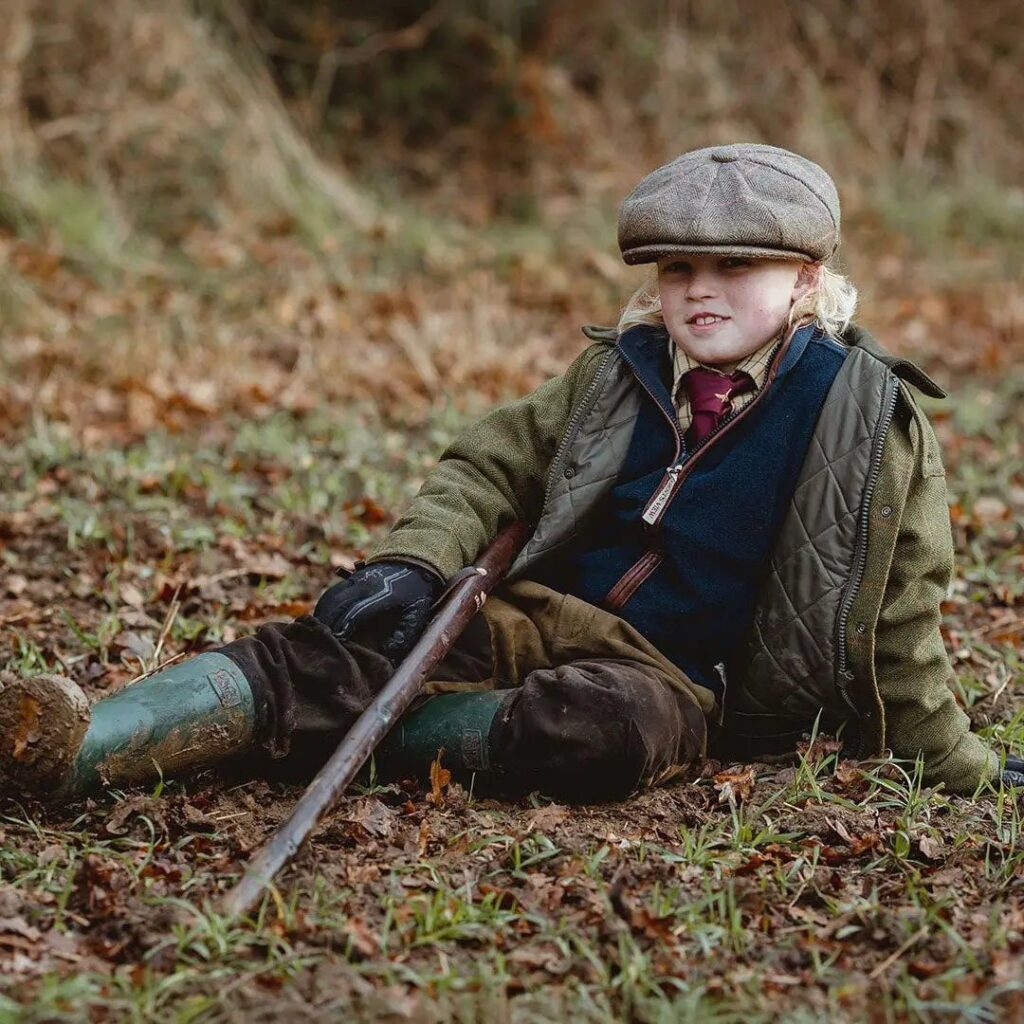

Outdoor activities give children an opportunity to explore, stay active, and develop confidence in different environments. Whether they are hiking with family, participating in outdoor sports, camping, or spending time in changing weather conditions, appropriate clothing can make these experiences more comfortable and enjoyable.
Choosing outdoor apparel for children is about more than appearance. The right clothing can help manage temperature, protect against weather conditions, support freedom of movement, and reduce discomfort during extended periods outdoors. Parents and caregivers should consider factors such as fabric, fit, durability, layering, and the specific activity when selecting children’s outdoor clothing.
Why Proper Outdoor Clothing Matters
Children can be more sensitive to changes in temperature and weather than adults. Spending time outside in unsuitable clothing can lead to discomfort, overheating, or excessive exposure to cold, wind, or moisture.
Well-designed outdoor apparel provides a practical barrier between children and the environment. Depending on the activity, clothing may help keep them warm, dry, cool, or protected from minor environmental hazards.
Comfort is particularly important because uncomfortable clothing can distract children from the activity and make them less willing to spend time outdoors.
Choosing the Right Fabric
Fabric selection plays an important role in outdoor comfort. Lightweight synthetic materials are often useful for active activities because they can dry quickly and allow moisture to move away from the skin.
For colder conditions, insulated materials can help retain body heat. In warmer environments, breathable fabrics can improve airflow and reduce the buildup of moisture.
Parents should choose fabrics based on the activity and weather rather than relying on one material for every situation.
Layering Provides Flexibility
Layering is one of the simplest ways to help children remain comfortable as conditions change.
A basic layering system may include:
- A moisture-managing base layer
- An insulating middle layer
- A protective outer layer
This allows children to add or remove clothing as temperatures change or their activity level increases.
Layering is particularly useful during outdoor trips where morning and evening temperatures may differ significantly from daytime conditions.
Protection From Wind and Rain
Weather can change quickly during outdoor activities. Lightweight waterproof or water-resistant jackets can help keep children comfortable during light rain, while wind-resistant outer layers can reduce the effects of cold air.
For longer outdoor activities, parents should consider clothing designed specifically for the expected weather conditions.
However, protective clothing should not restrict movement. Children need enough flexibility to walk, climb, run, and participate naturally in activities.
Comfortable Fit Is Essential
A child’s outdoor clothing should fit comfortably without being excessively loose or restrictive.
Clothing that is too tight may limit movement, while excessively loose garments can become inconvenient during active play.
Adjustable waistbands, cuffs, straps, and closures can make it easier to achieve a practical fit as children grow.
Clothing for Specialized Activities
Some outdoor activities require clothing designed for specific environments. Hunting, camping, fishing, hiking, and other recreational activities may have different apparel requirements.
For families participating in shooting-related sporting activities, appropriate kids shooting clothes can provide a practical combination of comfort, durability, and activity-specific design. Clothing should always be selected with the child’s age, supervision requirements, weather conditions, and the specific activity in mind.
Durability Matters
Children are naturally active, and outdoor clothing often experiences considerable wear.
Knees, elbows, cuffs, and seams may receive extra stress during outdoor play. Durable construction can help clothing withstand repeated movement and frequent washing.
Parents may want to look for reinforced stitching, strong fabrics, quality fasteners, and practical designs that can handle regular use.
Durable clothing can also provide better long-term value because it may remain usable through multiple seasons.
Sun Protection
Outdoor apparel can also provide protection from prolonged sun exposure.
Long-sleeved shirts, lightweight trousers, hats, and tightly woven fabrics can provide physical coverage while allowing children to remain active.
For activities taking place under strong sunlight, parents should combine appropriate clothing with other recommended sun-safety measures.
Footwear Is Part of Outdoor Protection
Outdoor clothing should be considered alongside appropriate footwear.
Shoes should provide sufficient grip, support, and protection for the terrain. Hiking trails, muddy areas, rocky surfaces, and recreational fields can all require different types of footwear.
Properly fitted shoes also reduce discomfort and help children move confidently.
Visibility Can Improve Outdoor Safety
Visibility is another consideration, particularly when children are participating in outdoor activities near roads, trails, parking areas, or groups of people.
Bright colors, reflective details, or other visibility features can make children easier to identify in certain environments.
Parents should choose visibility features according to the location and time of day.
Avoid Overdressing
While protecting children from cold weather is important, excessive layers can also create discomfort.
Children who are running or participating in energetic activities may generate considerable body heat. Parents should monitor children for signs of overheating and adjust layers when appropriate.
Breathable fabrics and flexible layering make temperature management easier.
Consider Easy Maintenance
Outdoor clothing often becomes dirty quickly. Mud, grass, dust, and moisture are common parts of children’s outdoor experiences.
Easy-care materials and machine-washable garments can make maintenance more convenient for parents.
Before purchasing specialized clothing, checking washing instructions can help ensure the garment is practical for regular use.
Safety Should Come Before Appearance
Modern children’s outdoor apparel comes in many colors and styles, but appearance should never be the primary consideration when safety is involved.
Parents should prioritize appropriate fit, weather protection, mobility, durability, and activity-specific requirements.
Clothing should also be used correctly and inspected regularly for damage. Worn-out straps, broken fasteners, torn fabric, or damaged protective elements should be repaired or replaced when necessary.
Preparing Children for Outdoor Activities
Children can also learn how to choose and care for their own outdoor clothing.
Teaching them simple habits—such as checking the weather, wearing appropriate layers, keeping rain gear accessible, and reporting discomfort—can encourage greater independence.
As children become more experienced outdoors, they can gradually learn to recognize when they need additional protection or a change of clothing.
Conclusion
Outdoor apparel plays an important role in helping children remain comfortable, active, and appropriately protected during outdoor activities. The right clothing can help manage temperature, protect against changing weather, provide freedom of movement, and withstand the demands of active play.
Parents should consider the environment, activity, weather, fit, fabric, durability, and safety requirements when selecting children’s outdoor apparel. With thoughtful preparation and appropriate clothing, children can spend more time exploring the outdoors comfortably while developing positive and rewarding outdoor experiences.