How to Play Cricket: Complete Beginner Guide to Rules, Batting, Bowling and Fielding
Cricket looks complicated from the stands, with fielders scattered everywhere, strange words flying around and a scoreboard full of numbers. But once you learn how to play cricket, the fog lifts fast. This is a game of bat against ball, nerve against skill, and it rewards anyone willing to learn the basics. From gully cricket in Karachi and Lahore to packed stadiums during the IPL, the same simple ideas drive every match. This guide breaks down the rules, the gear, batting, bowling, fielding and match formats in plain language, so you can walk onto any field with confidence.
Whether you want to play tennis-ball cricket with friends or dream of proper league cricket one day, learning how to play cricket starts with the same building blocks. By the end of this guide you will know the field, the equipment, how runs are scored, how batters get out, and the core skills of batting, bowling and fielding.
How to Play Cricket: Field, Pitch and Wicket Explained
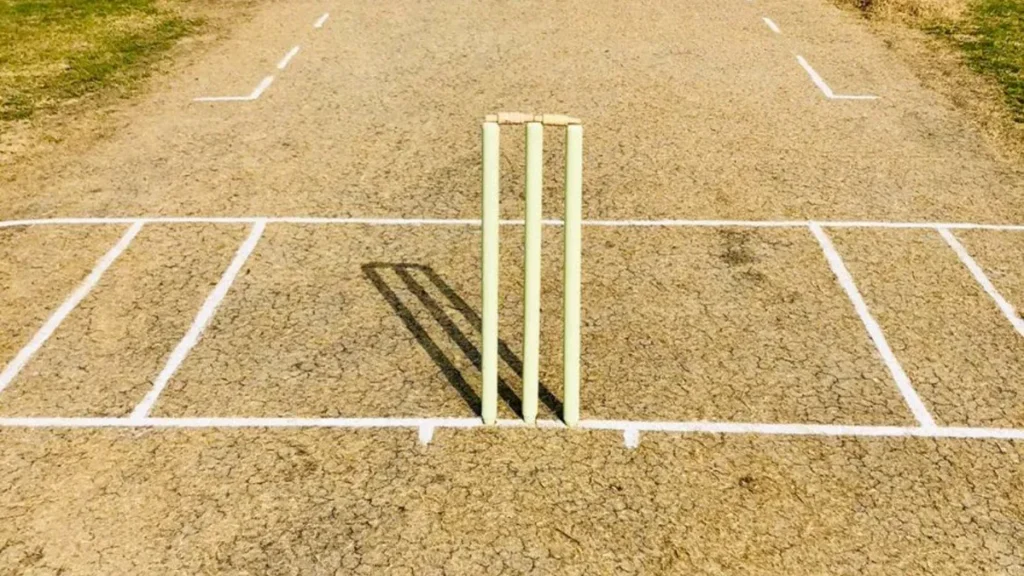
A cricket field is a large oval, usually 450 to 500 feet across. The action revolves around the pitch, a 22-yard strip in the middle where the bowler delivers and the batter stands. At each end of the pitch sits a wicket: three wooden stumps, each 28 inches tall, with two small bails balanced on top. Knock the bails off with the ball and the batter can be out.
The field splits into two zones. The infield surrounds the pitch and matters for quick singles and sharp catches. The outfield stretches to the boundary rope, where fielders patrol to cut off fours and sixes. The umpires stand at each end of the pitch, and the scorer tracks every run, wicket and over from the side.
Cricket Equipment Every Beginner Needs
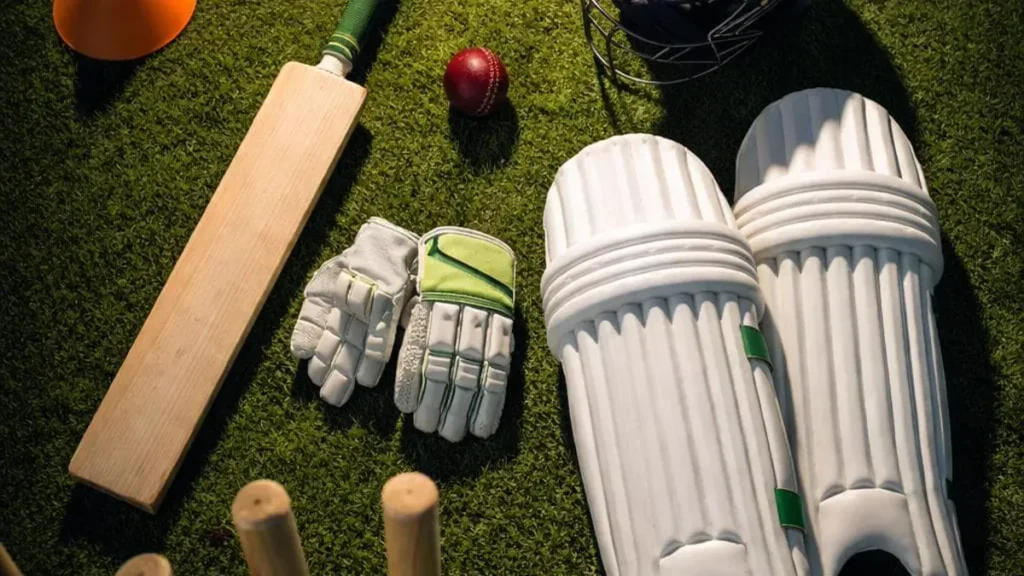
You do not need a kit bag full of expensive gear to start. A bat, a ball and a few friends are enough for your first game. As you play more, proper equipment makes the game safer and far more enjoyable.
- The bat: made of willow, flat on the face and curved at the back. English willow is the premium choice, while Kashmir willow suits beginners and costs less.
- The ball: a hard leather ball with a cork core. Red balls are used in Test cricket, white balls in ODIs and T20 matches. Tennis balls are perfect for learning the basics safely.
- Protective gear: helmet, batting pads, gloves, abdominal guard and thigh pads. Fast bowling hurts, so never skip protection when the pace goes up.
- Footwear: spiked shoes give grip on grass, though sturdy sports shoes work for casual games.
The Key Players on the Field
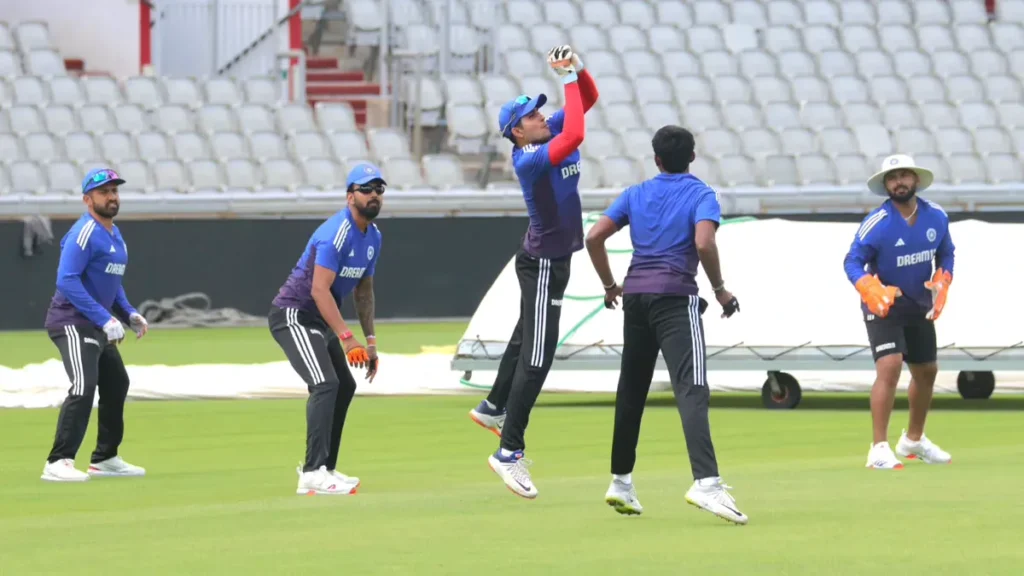
Each side fields 11 players with clear jobs. The bowler delivers the ball, aiming to dismiss the batter or restrict runs. Six legal deliveries make one over. The batter defends the wicket and scores runs with the bat. The wicketkeeper crouches behind the stumps, ready for edges and stumpings. The remaining fielders spread across the ground to stop runs and take catches. A good captain moves these fielders like chess pieces, attacking when wickets are needed and defending when runs are flowing.
How Runs Are Scored
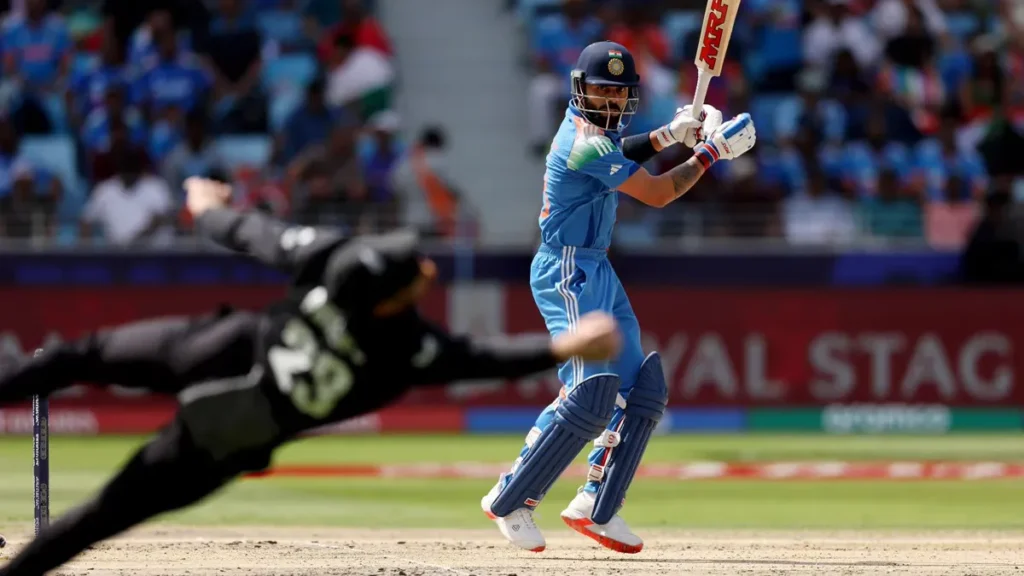
Scoring is the heartbeat of cricket. The batting pair runs between the wickets to collect ones, twos and threes. When the ball reaches the boundary rope after bouncing, it counts as four runs. When it clears the rope on the full, it is six runs, and the crowd goes wild. Extras also add to the total: wides, no-balls, byes and leg-byes all gift runs to the batting side without the bat touching the ball. Smart batters rotate the strike with quick singles, keeping the scoreboard moving and the pressure on the fielding side.
How Batters Get Out: The Main Dismissals
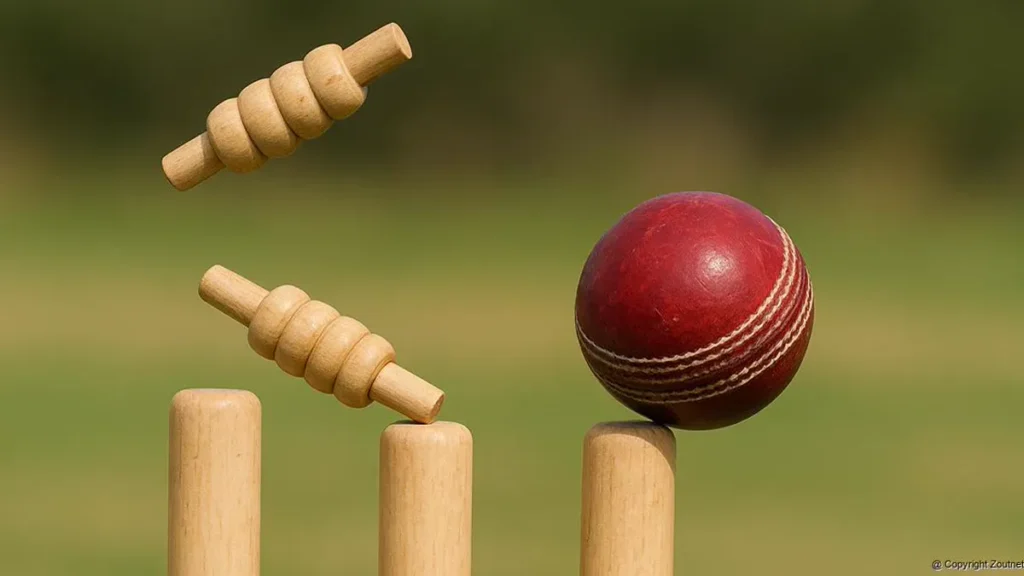
Getting out ends the turn of a batter, so survival is a skill in itself. The most common dismissals are bowled, when the ball hits the stumps; caught, when a fielder takes the ball before it bounces; LBW, when the ball would have hit the stumps but strikes the pad first; run out, when the fielding side breaks the stumps while the batters are running; stumped, when the wicketkeeper removes the bails as the batter steps out; and hit wicket, when the batter disturbs the stumps with the bat or body. Learning how to avoid these dismissals separates beginners from proper batters.
Batting Basics for Beginners
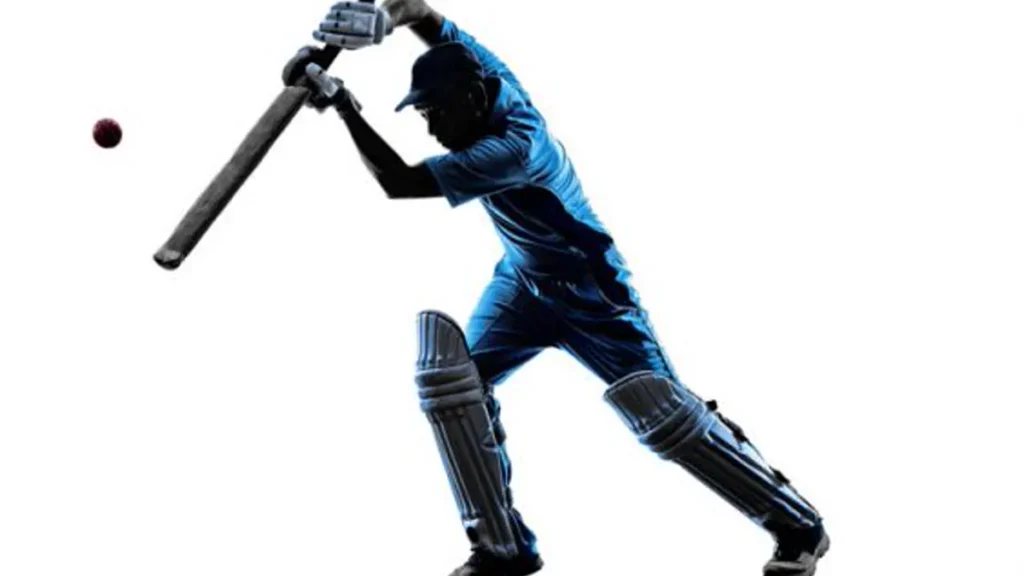
Start with a relaxed grip, hands close together on the handle, and a balanced stance with feet shoulder-width apart. Watch the ball from the hand of the bowler, not from the pitch. Play straight in the early overs, meet the ball under your eyes, and leave risky shots for later. Rotate the strike with nudges into gaps, and only attack loose deliveries. The best beginner tip is simple: defend the good balls and punish the bad ones. Patience builds innings, and innings win matches.
Bowling Basics for Beginners
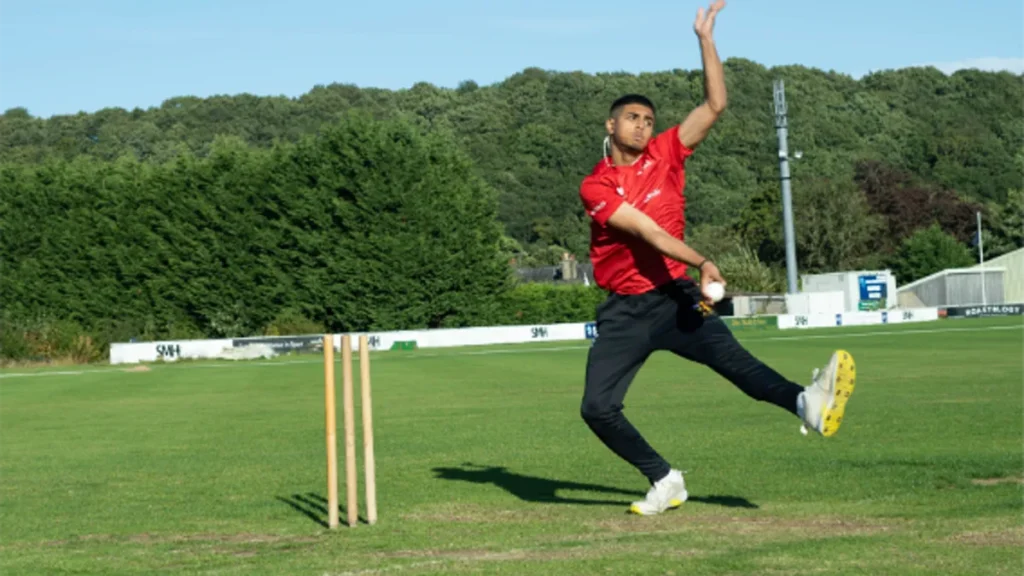
Bowling is about repeatable action and control, not raw pace on day one. Fast bowlers run in with rhythm, hit the seam upright and aim for consistent line and length. Spinners grip the ball across the seam and rip their fingers down the side to generate turn, with off-spin, leg-spin and the googly as the classic variations. Every delivery follows the same chain: smooth run-up, bound, back-foot landing, front-foot landing, release and follow-through. New bowlers should master one stock delivery before adding yorkers, bouncers and slower balls to the armoury.
Cricket Match Formats
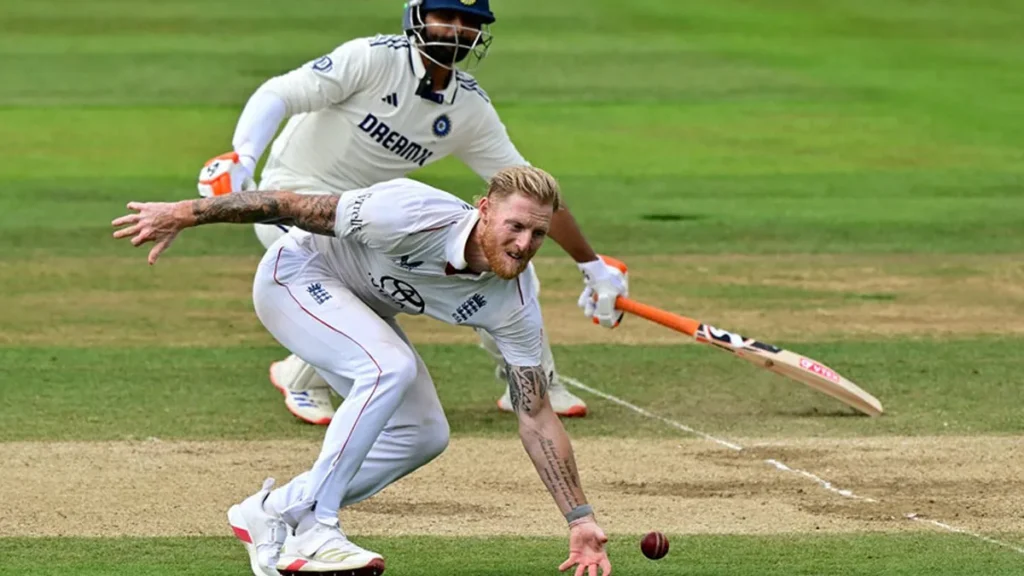
Cricket is played in three main formats, and each one demands a different tempo. Test cricket is the five-day examination of technique and temperament, with no limit on overs. ODIs give each side 50 overs and blend patience with acceleration. T20 cricket, 20 overs per side, is the shortest and most explosive format, where every ball is an event. Beginners usually fall in love with T20 first, then grow to appreciate the deeper chess of the longer game.
| Format | Overs Per Side | What To Expect |
| Test Cricket | Unlimited | Five days of skill, patience and shifting momentum |
| One Day International | 50 | A full day of building innings and planned acceleration |
| T20 | 20 | Three hours of power-hitting and fearless bowling |
Simple Strategies That Win Matches
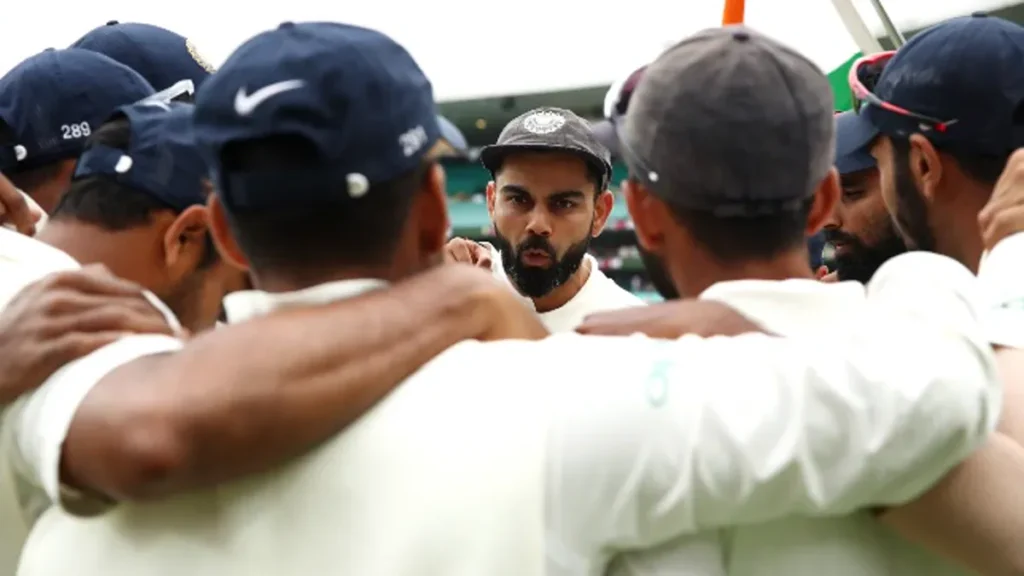
Beginners who think one step ahead win more games. Batters should target the weaker bowler, run hard between the wickets and keep the strike rotating so the pressure never settles. Bowlers should bowl to a plan, set attacking fields early with slips for the new ball, and mix yorkers, bouncers and slower balls at the death. Fielders win matches with energy: stay low, attack the ball, back up every throw and never switch off. For fans who love the tactical side, our head-to-head records section shows how these strategies play out in famous rivalries.
Conclusion
Now you know how to play cricket, from the 22-yard pitch to the roar of a last-over finish. The rules are simpler than they look, the skills build with practice, and every great cricketer started exactly where you are now. Grab a bat, gather your friends, find an open ground and start playing. The game will teach you the rest, one ball at a time.
How many players are in a cricket team?
A cricket team has 11 players on the field, including batters, bowlers, a wicketkeeper and fielders, with a 12th man available as a substitute fielder.
How long is a cricket pitch?
A cricket pitch is exactly 22 yards long, which is 66 feet, with a wicket of three stumps and two bails at each end.
What are the basic rules of cricket for beginners?
Two teams of 11 take turns batting and bowling. The batting side scores runs while the bowling side tries to dismiss batters and limit runs. The team with more runs at the end wins.
What equipment do I need to start playing cricket?
A willow bat, a ball, pads, gloves and a helmet are the essentials. Beginners can start with a tennis ball and basic gear before investing in full protective equipment.
What is the difference between Test, ODI and T20 cricket?
Test cricket is played over five days with unlimited overs, ODIs give each side 50 overs, and T20 matches give each side 20 overs for a fast three-hour contest.
What is the easiest cricket skill for beginners to learn?
Basic batting stance and straight-bat defence are the easiest starting points, along with simple catching and throwing for fielding.