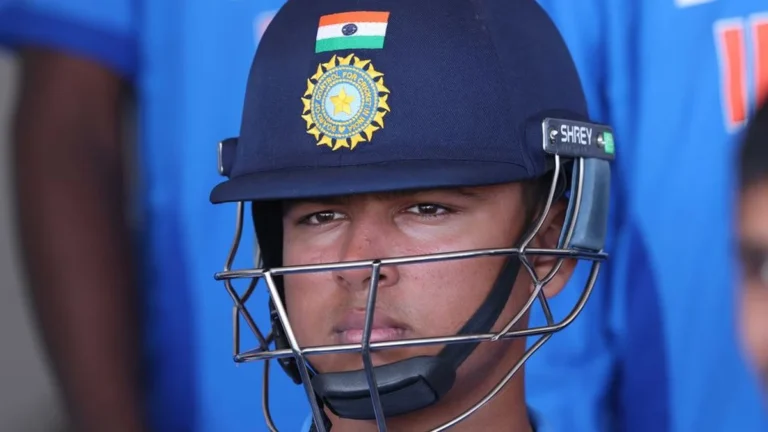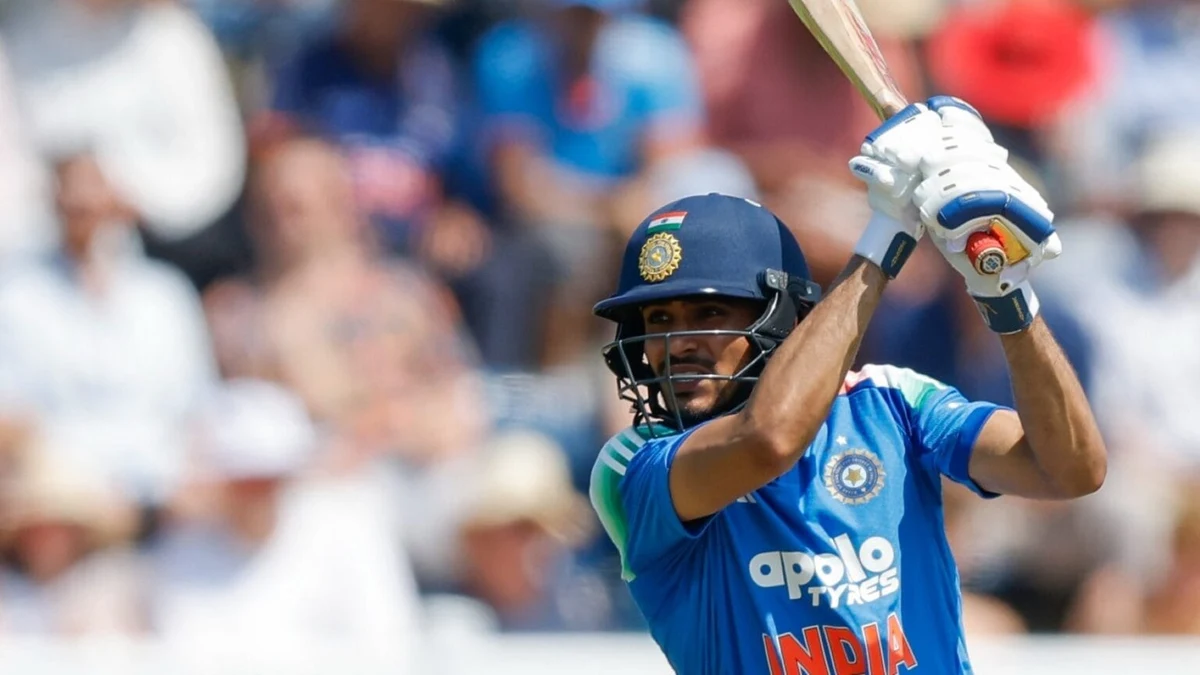
India vs New Zealand 1st ODI Auckland Preview: Gill Leads New Era on 4 November
A new chapter in India ODI cricket begins at Eden Park in Auckland on 4 November 2026, when Shubman Gill leads India against New Zealand in the first ODI of a five match series. The match starts at 7:30 AM IST, and it marks the start of the 50 over leg after a five match T20I series. Gill takes charge for the first three ODIs, with Shreyas Iyer as vice captain, before Iyer leads the final two matches. The India ODI and Test squads for the tour were built around experience at the top, fresh pace options, and spin depth for New Zealand conditions.
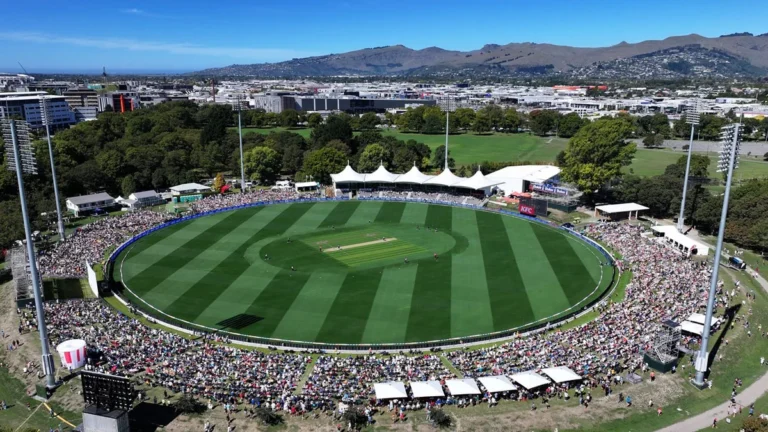
Eden Park brings a fast outfield, short boundaries in places, and early movement for the new ball, so the first ten overs could set the tone for the whole match. India will look to survive the early swing, build a platform through the middle overs, and then attack with depth in the batting order. New Zealand at home remain a tough ODI side, with a balanced attack, sharp fielding, and batters who know Eden Park well. The head to head record in New Zealand favours the hosts, so India cannot rely on reputation alone in this opener.
The ODI series follows the T20I leg, which closed with the India vs New Zealand 5th T20I at Seddon Park in Hamilton on 1 November. The full India tour of New Zealand 2026 schedule then moves through Wellington, Hamilton, and Mount Maunganui, before two Tests start on 19 November in Wellington and 27 November in Christchurch. For readers who want the long view, the New Zealand vs India head to head in ODI record shows 123 matches in total, with India ahead overall but New Zealand ahead in matches played in New Zealand.
Match Details: India vs New Zealand 1st ODI at Eden Park
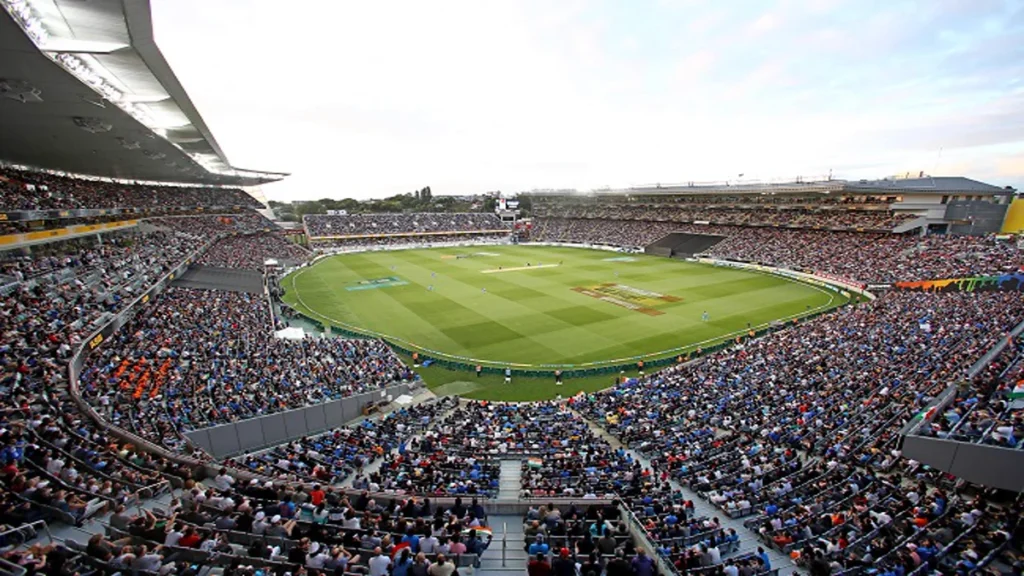
When is India vs New Zealand 1st ODI played? The match is played on 4 November 2026 at Eden Park in Auckland, with a start time of 7:30 AM IST. That early start for viewers in India makes the toss and the first hour especially important, because the Auckland pitch can offer seam movement under lights and in the morning air, before the surface settles for batting. Fans who plan around the India vs New Zealand 1st ODI date and time in IST should set an early alarm, because the opening powerplay often decides whether the team batting first can post a total above 300 or must fight back from early wickets.
Auckland is a venue where small margins matter. The straight boundaries are shorter than at many large grounds, so well timed shots can clear the rope even without full power, while bowlers who hit a hard length and change pace can still force mistakes. India will want a strong start with the bat if Gill wins the toss, while New Zealand will back Matt Henry and Jacob Duffy to strike early and expose the middle order to spin later in the innings. The Eden Park factor also rewards sharp ground fielding, because two runs saved in the outfield can be as valuable as a dot ball in a tight chase.
| Match | India vs New Zealand, 1st ODI |
| Date | 4 November 2026 |
| Venue | Eden Park, Auckland |
| Start time | 7:30 AM IST |
| Format | One Day International, 50 overs per side |
| Series | Five match ODI series, 4 to 15 November 2026 |
| India captain | Shubman Gill, first three ODIs |
| New Zealand captain | Mitchell Santner |
India Squad for the First Three ODIs
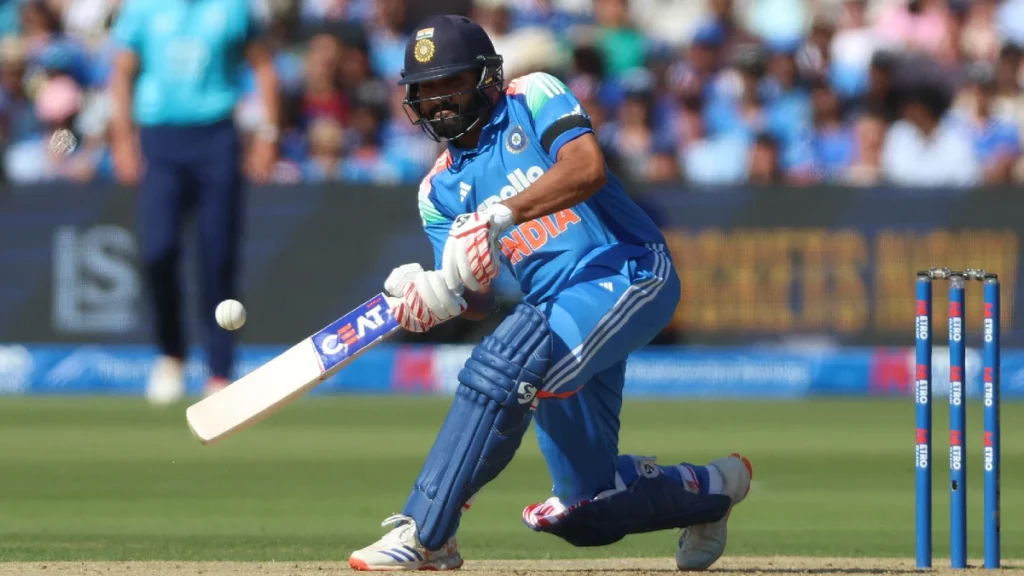
Who captains India in the first three ODIs? Shubman Gill captains India for the first three ODIs, with Shreyas Iyer as vice captain, and that leadership pair gives the team a clear plan for the Auckland opener and the matches that follow. Gill brings calm at the top of the order, while Iyer adds middle order control and a steady voice in the field. Rohit Sharma and Virat Kohli bring huge experience to the same batting line up, and their presence allows younger players to play with freedom rather than carry the innings alone. KL Rahul and Ishan Kishan give India two wicketkeeping options, while Ruturaj Gaikwad and Naman Dhir add batting depth if the top order needs support.
Is Prasidh Krishna playing in the series? Prasidh Krishna is not playing in the ODI series, because he was ruled out on 30 October 2026 as he recovers from a left hamstring injury. The BCCI statement reported by ESPNcricinfo said Prasidh will need additional time to build up workload, and he will instead join the India A squad for the final four day game against New Zealand A to gain match practice ahead of the Test series. No replacement for Prasidh was named in that report, and Mohammed Siraj was already part of the ODI squad, so Siraj should not be described as a late replacement. Nitish Kumar Reddy stays with the ODI squad for the first game on 4 November only, before he links up with the India A squad, which makes his role in Auckland a point to watch.
The bowling group for Auckland mixes pace and spin in a useful way. Mohammed Siraj and Arshdeep Singh can swing the new ball and bowl hard at the death, while Anshul Kamboj and Gurnoor Brar offer fresh pace and bounce. Kuldeep Yadav and Axar Patel give Gill two different spin options, with Kuldeep attacking through the middle overs and Axar controlling runs and bowling to left handed and right handed batters with equal discipline. That balance matters at Eden Park, where a captain needs options when a short boundary tempts batters to attack every over.
| Player | Role |
| Shubman Gill | Captain, Batter |
| Rohit Sharma | Batter |
| Virat Kohli | Batter |
| Shreyas Iyer | Vice captain, Batter |
| KL Rahul | Wicketkeeper, Batter |
| Nitish Kumar Reddy | All rounder, first ODI only |
| Axar Patel | All rounder |
| Naman Dhir | All rounder |
| Anshul Kamboj | Fast bowler |
| Gurnoor Brar | Fast bowler |
| Ruturaj Gaikwad | Batter |
| Arshdeep Singh | Fast bowler |
| Ishan Kishan | Wicketkeeper, Batter |
| Mohammed Siraj | Fast bowler |
| Kuldeep Yadav | Spinner |
New Zealand Squad for the First Three ODIs
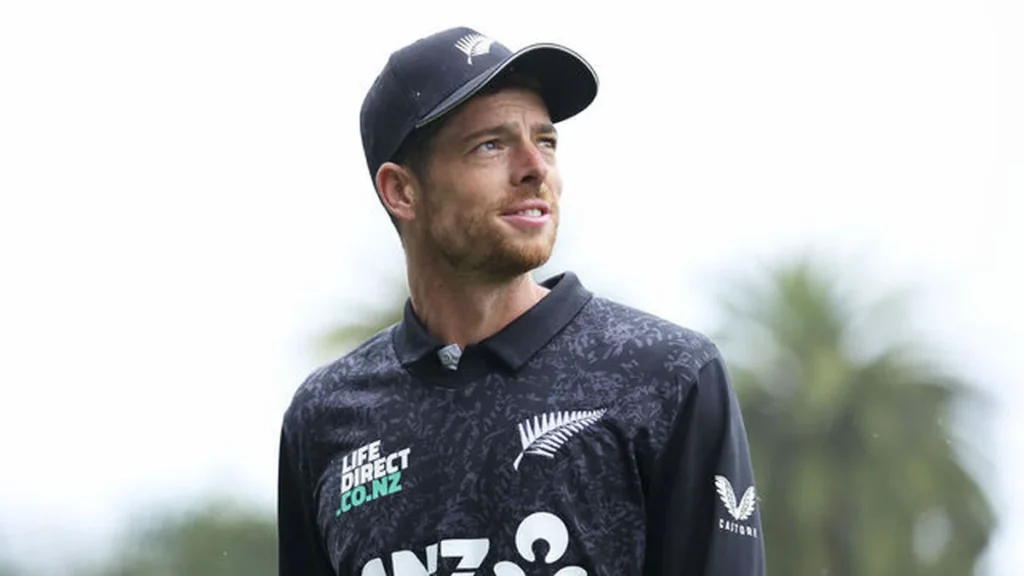
Who captains New Zealand and who are the key players? Mitchell Santner captains New Zealand, and his calm leadership, left arm spin, and lower order batting make him central to the home plan at Eden Park. Tom Latham keeps wicket and anchors the innings when early wickets fall, while Devon Conway and Will Young can build a strong start against the new ball. Daryl Mitchell, Glenn Phillips, and Rachin Ravindra form a powerful middle order that can rotate strike, attack spin, and finish an innings with clean hitting, which is a major threat on a ground with short straight boundaries.
The New Zealand bowling attack is built for home conditions. Matt Henry leads the pace group with swing and control, Jacob Duffy brings pace and bounce, Kyle Jamieson adds height and seam movement, and Blair Tickner and Nathan Smith give Santner depth through the middle and death overs. Michael Bracewell and Mark Chapman add all round value, with Bracewell offering off spin and useful runs, and Chapman able to change a game with fast scoring in the middle overs. That depth means New Zealand can defend a total even if one bowler has a poor day, because Santner can turn to a different match up at any stage.
| Player | Role |
| Mitchell Santner | Captain, Spinner, All rounder |
| Michael Bracewell | All rounder |
| Mark Chapman | Batter |
| Devon Conway | Batter |
| Jacob Duffy | Fast bowler |
| Matt Henry | Fast bowler |
| Kyle Jamieson | Fast bowler |
| Tom Latham | Wicketkeeper, Batter |
| Daryl Mitchell | Batter, All rounder |
| Glenn Phillips | Batter, All rounder |
| Rachin Ravindra | All rounder |
| Nathan Smith | Fast bowler, All rounder |
| Blair Tickner | Fast bowler |
| Will Young | Batter |
Key Battles to Watch in Auckland
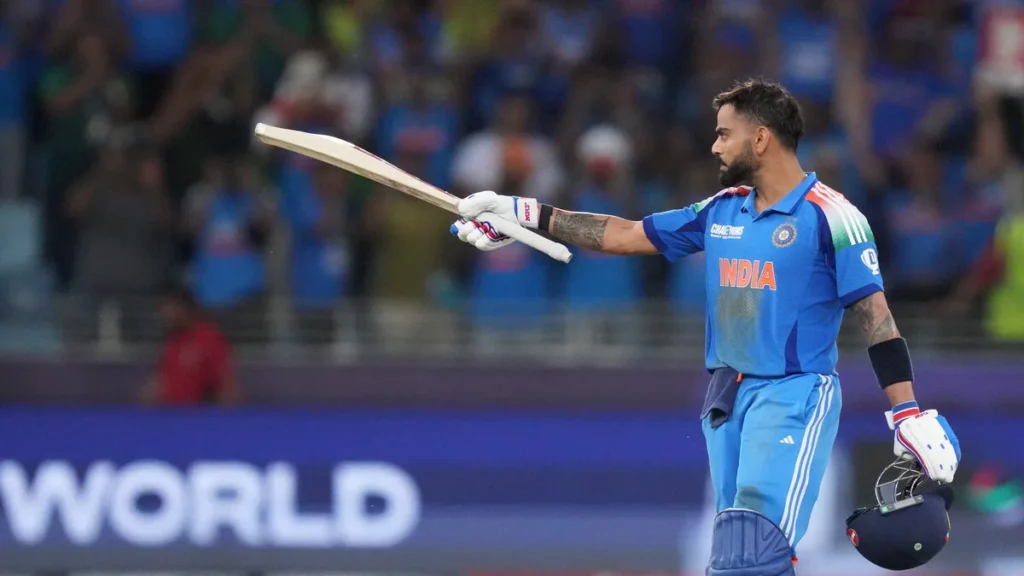
Shubman Gill against Matt Henry could decide the first powerplay. Henry swings the ball late and bowls a full length that tests footwork, while Gill likes to drive through cover and punch off the back foot when the line is short. If Gill survives the first six overs without losing his shape, India can build a platform, but if Henry finds an early edge, the pressure moves straight to the middle order. Rohit Sharma against Jacob Duffy is another early contest, because Duffy can extract bounce at Eden Park and Rohit must decide when to attack the short ball and when to leave it alone.
Virat Kohli against Mitchell Santner is the classic middle overs battle. Santner bowls flat, accurate left arm spin and rarely gives batters easy singles, while Kohli thrives on rotating strike and finding gaps under pressure. If Kohli can work Santner for singles and punish the rare loose ball, India can keep the run rate healthy without risk, but if Santner ties him down, the required rate can climb and force a risky shot. Rachin Ravindra against Kuldeep Yadav is equally important, because Ravindra attacks spin with sweep shots and fast feet, while Kuldeep uses flight and variation to create doubt and draw a mistake.
The death overs battle may feature Mohammed Siraj against Glenn Phillips and Daryl Mitchell. Siraj can bowl yorkers and hard length balls under pressure, while Phillips and Mitchell can clear short boundaries with power hitting. Arshdeep Singh gives India a left arm angle at the death, and his slower balls can be vital if the pitch slows down in the second innings. The team that wins more of these small battles in the final ten overs is likely to win a close match at Eden Park.
What to Watch and the Series Ahead
What is the head to head record between New Zealand and India in ODI cricket? The overall record from 123 matches shows India with 63 wins, New Zealand with 52 wins, one tied match, and seven matches with no result. In New Zealand, the record favours the hosts, with New Zealand winning 26 of 51 matches and India winning 14, which explains why an Auckland win would be a strong statement for Gill and his team. The last ODI series between the sides in January 2026 in India was won 2-1 by New Zealand, so India will also want revenge for that result as well as a winning start to this tour.
What is the full ODI series schedule after Auckland? After the Eden Park opener on 4 November, the series moves to Wellington on 7 November, Hamilton on 10 November, and Bay Oval in Mount Maunganui on 13 and 15 November. Shreyas Iyer captains India in the final two ODIs, which adds another leadership story to follow, while the two Tests from 19 November in Wellington and 27 November in Christchurch keep the tour alive long after the ODI trophy is decided. For Auckland, the key questions are simple: can India handle early swing, can the spinners control the middle overs, and can the lower order finish strong if the top order sets a platform.
| ODI | Date | Venue |
| 1st ODI | 4 November 2026 | Eden Park, Auckland |
| 2nd ODI | 7 November 2026 | Wellington |
| 3rd ODI | 10 November 2026 | Hamilton |
| 4th ODI | 13 November 2026 | Bay Oval, Mount Maunganui |
| 5th ODI | 15 November 2026 | Bay Oval, Mount Maunganui |
FAQ
When is India vs New Zealand 1st ODI played?
The match is played on 4 November 2026 at Eden Park in Auckland, with a start time of 7:30 AM IST.
Who captains India in the first three ODIs?
Shubman Gill captains India for the first three ODIs, with Shreyas Iyer as vice captain. Shreyas Iyer leads India in the final two ODIs.
Is Prasidh Krishna playing in the series?
Prasidh Krishna is not playing in the ODI series. He was ruled out while recovering from a left hamstring injury, and no replacement was named.
Who captains New Zealand and who are the key players?
Mitchell Santner captains New Zealand. Tom Latham and Devon Conway, Daryl Mitchell, Glenn Phillips, Rachin Ravindra, and Matt Henry are key players for the home side.
What is the head to head record between New Zealand and India in ODI cricket?
The teams have played 123 ODI matches in total. India have won 63 matches, New Zealand have won 52 matches, one match was tied, and seven matches had no result.
What is the full ODI series schedule after Auckland?
After Auckland, the series moves to Wellington on 7 November, Hamilton on 10 November, and Bay Oval in Mount Maunganui on 13 and 15 November.