The IPL is known for big sixes, quick scoring and explosive batting. But sometimes the game appears to play out slowly. A batter can take a couple of overs before hitting the 50-run mark at the crease, particularly if the pitch is not ideal and the bowlers are able to apply pressure at all times.
Modern T20 cricket can see 30-balls or even 15-balls 50s, but slow half-centuries still have a few interesting stories to tell in the IPL history. When conditions have made it difficult to make strokes, some batters have had to be patient instead of powerful.
The slowest 50 in IPL history is a strange record as the competition is based on aggressive batting. Let take a look at some of the slowest half centuries of the tournament and why they were made.
JP Duminy – 63 Balls
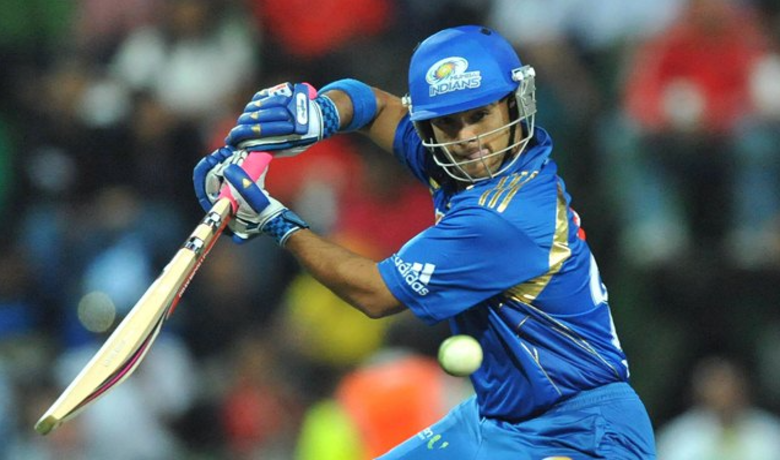
JP Duminy is the slowest fifty in IPL history. The South African batsman scored his half-century in 63 balls for Mumbai Indians in 2009.
It was a match of a very challenging batting scene, as this was an innings that showed it. Duminy had to focus on staying safe at the crease and scoring runs when he could get them, instead of hitting his preferred shots.
Duminy took 63 balls to score 50 runs, which took over 10 overs to build his half-century. He has one of the best examples of how a T20 batsman can alter his game when the conditions are tough.
The match was also very close as Mumbai Indians were beaten by three runs in the end. That was a very close call and demonstrated the need for a batter to be able to survive and score at the same time.
Parthiv Patel – 58 Balls
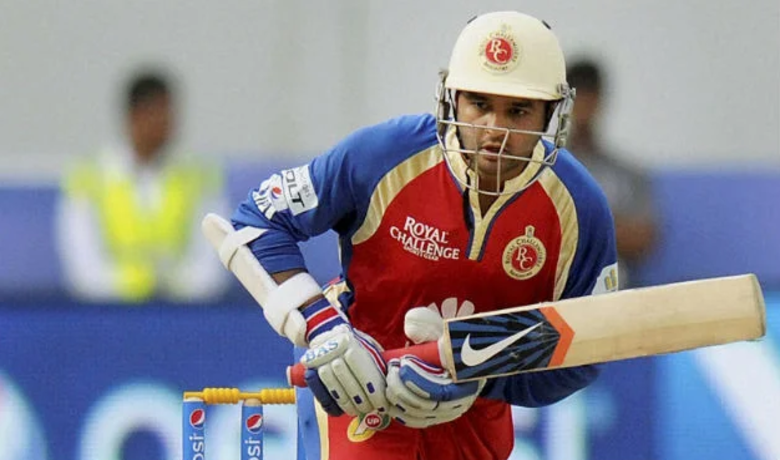
Parthiv Patel is the second name in the list, after scoring 50 in 58 balls in the 2010 IPL season.
Patel was a more aggressive batsman in general, especially in the opening stages of an innings. But the conditions on that day were not conducive to cricket and he had to play more conservatively.
His performance showed that it is possible to be an attacking player and still be pushed into a defensive role in T20 cricket. If the pitch is favourable to the bowlers, the boundaries are much more difficult and singles and twos are much more valuable.
By today IPL standards, a 58-ball fifty might seem very slow, but it is clear that context plays a role in assessing a batter strike rate.
Gautam Gambhir – 56 Balls
Another big name on the list of the slowest IPL fifties is Gautam Gambhir. The former Indian skipper had reached his half-century on 56 balls in 2010.
Gambhir was one of the most consistent top order batsmen in his generation and could bat aggressively or defensively. His half-century was a reflection of the fact that he was not in a position to rush in and start an innings, but was required to stay at the crease.
He was able to rotate the strike and play the ball without fear, which meant he could stay at the crease for a considerable amount of time. The slow start was a far cry from T20 cricket but it did show how much experience can help when it’s not in the batsman’s favour.
Brendon McCullum – 56 Balls
Brendon McCullum also hit 56 balls to make it to a fifty in the 2010 IPL season. The New Zealand batsman was known for his big hitting and his presence in the list of slowest fifties is surprising.
McCullum emerged as one of the most recognisable aggressive batsmen in T20 cricket and could turn a game around in a few overs. But even a natural attacking batsman can have to alter his tactics when the conditions on the pitch and the bowlers make it hard to score.
His 56-ball half-century is a reminder that T20 cricket is not all about sixes. Being able to stay at the crease and take the pressure can sometimes be as crucial.
Vijay Shankar – 51 Balls
Vijay Shankar scored his half-century in the 2020 IPL season in 51 deliveries. His innings is one of the slowest 50 in the tournament.
Shankar has been appreciated for his versatility to play in multiple departments and his batting department has been used as per the need of the team. This time, his batting was more about scoring runs than hitting home runs.
The 51-ball fifty is much slower than the average IPL fifty, but it also shows how a batsman’s job can vary based on the game context. When wickets are coming off fast, a batsman might choose to play more defensively.
Ruturaj Gaikwad – 49 Balls (The 2026 Record)
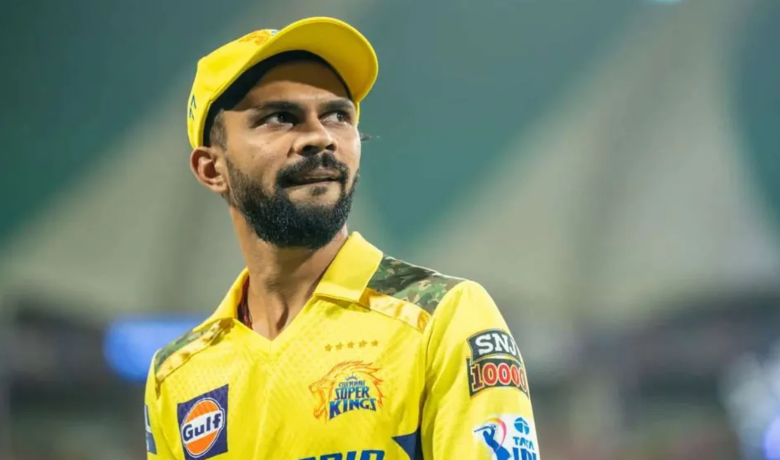
Ruturaj Gaikwad is also among the slowest half century IPL players with 49 deliveries to reach the milestone against Gujarat Titans in 2026.
As a whole, Gaikwad is considered as an elegant and technically sound T20 batter who can hit fast when he is in his flow. He is one of the top order players in the competition due to his ability to find gaps and time the ball.
But his fifty with the 49-ball revealed a different facet to his batting. As the team faced pressure, Gaikwad played a more conservative game and played to win, rather than playing to lose.
His innings also proves that slow fifties are not a thing of the past in the IPL. With today hitting styles, power plays, and the Impact Player rule, there are times when a game can become a very conservative affair.
List of the Slowest Fifties in IPL History
| Rank | Player Name | Balls Taken | Year |
| 1 | JP Duminy | 63 | 2009 |
| 2 | Parthiv Patel | 58 | 2010 |
| 3 | Gautam Gambhir | 56 | 2010 |
| 4 | Brendon McCullum | 56 | 2010 |
| 5 | Vijay Shankar | 51 | 2020 |
| 6 | Ruturaj Gaikwad | 49 | 2026 |
The list reveals an interesting trend in the IPL history. This group has four of the slowest fifties in the first three seasons of the competition, where the pitches and batting style were different from what fans see today in the IPL.
The inclusion of Ruturaj Gaikwad further reinforces the fact that slow half-centuries are not a thing of the past in today’s age and era. While the T20 format is getting more aggressive, the conditions of the match, wickets and the game situation can still make the batters play more wisely.
Why Do Batters Score Slow Fifties?
Slow 50s do not necessarily indicate a poor batting performance. The conditions have a significant impact on cricket and sometimes a batter needs to spend a lot of time at the crease before he feels comfortable.
Slow scoring is a major problem, one of the main causes of which is difficult pitches. Once the ball stops, turns or moves in an erratic manner, the batter is unable to play his/her regular attacking shots with confidence. In these situations, it may be better to take a rotation and wait for a scoring opportunity.
Another crucial aspect is the loss of wickets. When a team is losing wickets early, the batter at the crease might have to take the responsibility to put the innings back on track. Avoiding risks can help to avoid a collapse and allow for recovery later.
The quality of the bowling can also be a big factor. If bowlers bowl accurately, they can keep the batters from hitting the boundary with some clever variations and discipline in spin. If bowlers are consistently hitting good areas, the batters might have to take singles and twos.
Slow Fifty Does Not Always Mean Slow Impact
Strike rate is a crucial statistic in T20 cricket but it is not the full picture of an innings. A batter’s contribution should be assessed also based on the match situation.
A batter who is scoring slowly at 50 could be a welcome boost to a team who is 30 for 3 on a tough pitch, for instance. The same innings could be seen as a different story if the team had to score 100 runs in the last 6 overs.
That’s why it is important to understand the context of the slowest fifties in IPL history. Some innings might have been used to get a team back on track, and others might have added to the pressure on the hitter.
How Modern IPL Cricket Has Changed
IPL has undergone a lot of changes since the first season. Batters today have more specialised T20 skills, teams have more depth in their batting lineups and more aggressive tactics.
The addition of the Impact Player rule also adds some flexibility to teams. Specialist batters or bowlers can be used, depending on the match situation, which may enable batters to bat more aggressively.
But these adjustments haven’t stopped the slowest-fifty record as a reminder that tactics can be beaten by conditions. Patience is often the best asset a batter can have when the pitch is not conducive or wickets are coming off.
Fast Fifties vs Slow Fifties in IPL
One of the most interesting things about T20 cricket is the difference between the quickest and slowest IPL fifties. Some batsmen have scored their half-centuries in less than 15 balls and others have taken over 60 balls.
Fast fifties are typically a mixture of boundaries and exceptional timing and calculated risk-taking. Slow fifties are constructed on the other hand by singles, twos and judicious boundary shots.
Both methods are used in the game. Some of the best T20 players are the ones who can understand the situation of the game and adapt their play.
Conclusion
The IPL is known for its explosive batting but the slowest 50ths in the history of the tournament is a reminder that T20 cricket is not all about hitting every ball.
JP Duminy 63-ball fifty is one of the most unusual in IPL history, while the other five – Brendon McCullum, Gautam Gambhir, Vijay Shankar, Parthiv Patel and Ruturaj Gaikwad – have also had very slow fifties.
In these innings, patience is the key sometimes, not power. There are times when staying at the crease is the most important thing to do, whether a batter is trying to rebuild after being dismissed early, or facing a tough pitch or an excellent bowling attack.
Suggested Read:
FAQ
Who has the slowest fifty in IPL history?
JP Duminy holds the record. He took 63 balls to reach his fifty in 2009.
Who hit the slowest fifty in IPL 2026?
Ruturaj Gaikwad hit the slowest fifty of the 2026 season so far, taking 49 balls against Gujarat Titans.
Is a slow fifty bad for the team?
Not always! Sometimes it helps the team reach a safe total on a difficult pitch. But in high-scoring games, it can put pressure on other batters.
Which Indian player hit the slowest fifty in IPL?
Parthiv Patel holds the record for the slowest fifty by an Indian, taking 58 balls in 2010.