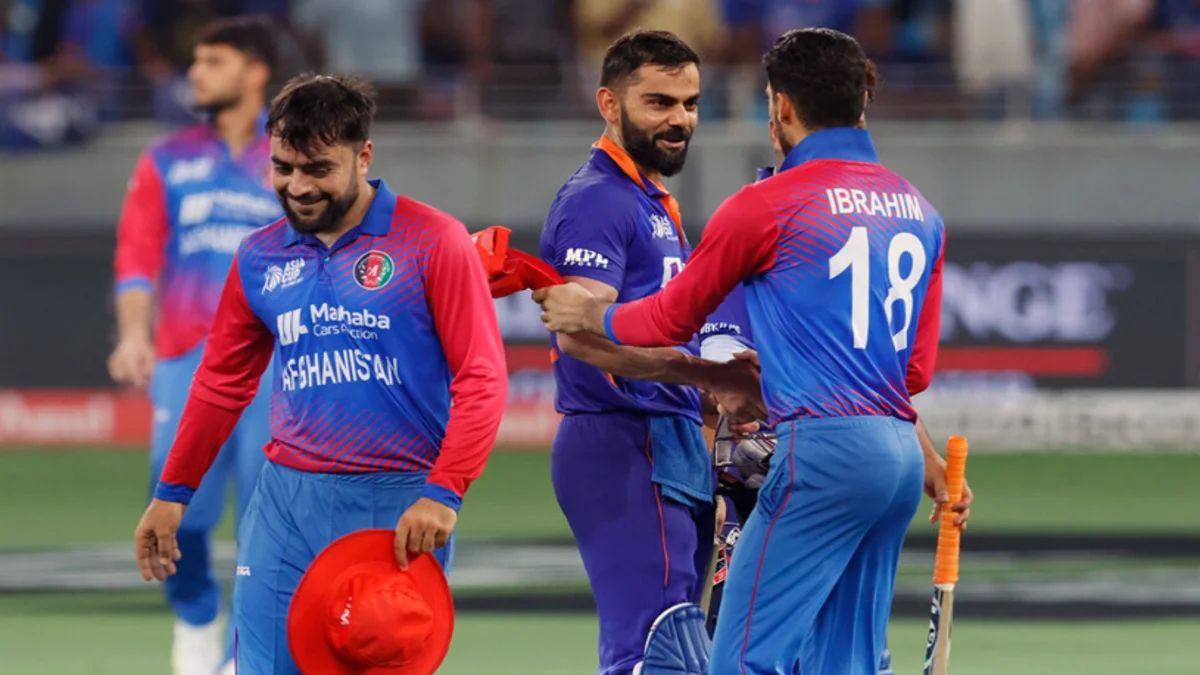
FIFA World Cup 2026 Technology to Feature in Afghanistan-India T20I Series
Afghanistan India T20I FIFA World Cup technology turned a three-match series in New Delhi into a landmark for cricket broadcasting. ITW Universe produced the Afghanistan-hosted series to full FIFA World Cup host-broadcast standards, the first time a bilateral cricket series has carried that label, with the gallery led by Jamie Oakford, a director at every FIFA World Cup since 2002. AI-stabilised point-of-view cameras, volumetric Free Viewpoint replays, ultra-motion cameras at 600 frames per second and above, and the Spatio augmented-reality system of Quidich Innovation Labs formed the package. The original August report follows below, and a full update at the end of this article records how the experiment ended: three matches played, a 3-0 win for India, and a new reference point for the way cricket is shown on screen.
The upcoming Afghanistan-India T20I series in New Delhi will be a production upgrade of a huge proportion, as technology, expertise and production methods that have been adopted at the FIFA World Cup 2026 will be brought to bilateral cricket.
The three-match series will be broadcast using state-of-the-art technology that will allow the viewer to experience the matches in a more immersive way. ITW Universe, the company that owns the rights to broadcast the series, intends to take the production values of the biggest football tournament to cricket.
The Afghanistan-India series will be played at Arun Jaitley Stadium in New Delhi on September 13, 15 and 17. The matches will be broadcast live on Sony Sports and live streamed on FanCode.
Afghanistan India T20I FIFA World Cup Technology Comes to Cricket
ITW Universe has called it the first time a bilateral cricket series will be broadcasted in full FIFA World Cup host standards. The production team will feature staff who have experience at major international football events, such as the FIFA World Cup finals and UEFA Champions League finals.
Jamie Oakford, who has been involved in all FIFA World Cups since 2002, will also be directing the series, as well as being involved in the production of the 2014 final. His style is based on bringing the audience to the feeling of being in the best seat in the house.
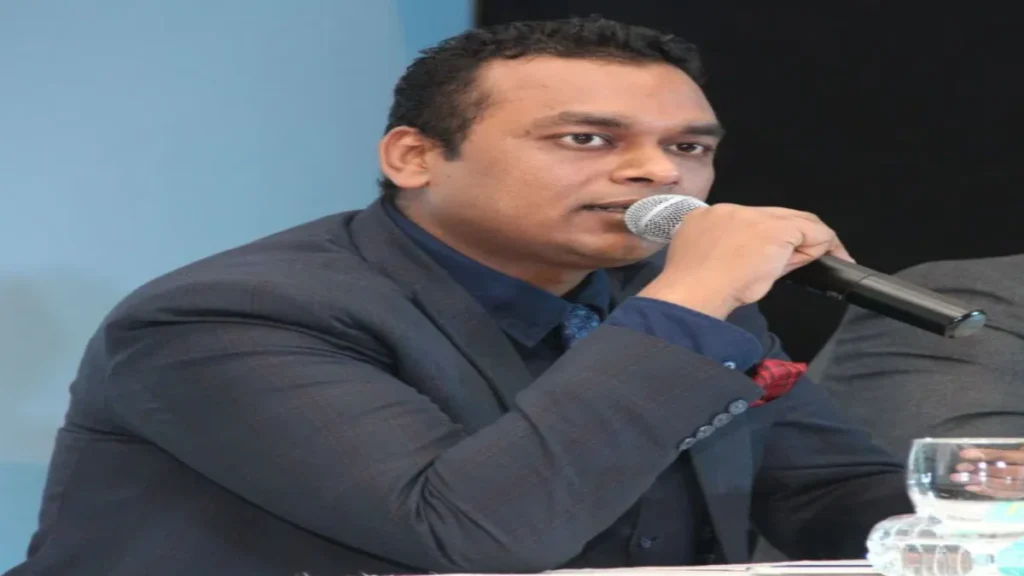
ITW Universe founder Bhairav Shanth explained that the company is looking to take cricket away from the traditional production process and come up with new ideas to present the sport to the audience.
Advanced Technology Planned for the Series
Three T20Is will feature several new production features. These encompass AI-stabilised point-of-view cameras, cutting-edge Spidercam technology, ultra-motion cameras, volumetric free-viewpoint technology and cinematic storytelling techniques.
The systems will offer new camera angles, replays and more tactical visuals during games.
| Technology | Expected Use |
|---|---|
| AI-stabilised POV cameras | Immersive player and on-field views |
| Advanced Spidercam | Dynamic overhead and moving shots |
| Ultra-motion cameras | Detailed slow-motion replays |
| Free Viewpoint technology | 3D and virtual camera angles |
| Spatio system | Augmented-reality graphics and tracking |
| Cine-style production | More cinematic match storytelling |
AI-Stabilised Cameras to Add New Perspectives
One of the production upgrades will be the use of AI-stabilised POV cameras. These cameras can provide viewers with perspectives that are difficult to achieve through conventional broadcast setups.
The technology is said to be complementary to the conventional cricket cameras and will offer more immersive shots of the action. The objective is to make viewers feel closer to the players and the key moments taking place on the field.
Ultra-Slow-Motion Replays
The series will also include a dedicated ultra-slow-motion camera system that can shoot over 600 frames per second.
This technology will be very helpful in analysing the moments of cricket like delivery, bat contact, edge, stumping and fielding. The system can record much more footage, making for more detailed replays that will enable viewers to see key moments from several angles.
These replays can be a significant feature of the broadcast when a match results in a brilliant catch, edge, quick stumping or other key moment.
Free Viewpoint Technology to Create 3D Replays
A big new addition will be volumetric Free Viewpoint technology. A system of cameras will be used to provide a real-time 3D digital model of the pitch and players.
This system can enable broadcasters to produce virtual camera positions which cannot be achieved using traditional cameras. The production team can create new angles on the action, rather than being limited to set camera positions.
The technology is expected to be especially beneficial for tactical analysis and replay packages. These virtual viewpoints could give viewers a totally different understanding of field placements, bowling plans and crucial moments.
Spatio System Brings Augmented Reality to the Broadcast
The series will also feature Quidich Innovation Labs’ Spatio system. The technology is a mix of augmented reality, a stabilised drone feed and real-time optical player tracking.
This can enable broadcasters to build graphics and strategy visualisations over live footage to be placed in the field. It can provide a better idea to the viewer of where the fielders are and how the teams are reacting to specific batters or situations.
| Spatio Feature | Broadcast Benefit |
|---|---|
| Stabilised drone feed | Aerial field views |
| Augmented reality | Graphics integrated with live footage |
| Player tracking | Real-time identification and positioning |
| Field-placement graphics | Easier tactical analysis |
| Strategy visualisation | Better understanding of team plans |
Advanced Spidercam and Cinematic Storytelling
The production will also feature the advanced Spidercam technology. The system can be used to get moving aerial views of the stadium and playing field, which is another dimension to the traditional broadcast.
The production will feature cine style storytelling, in addition to the technology. This is to improve the visual appeal of the coverage, rather than using traditional match cameras and the usual replays.
The Afghanistan-India series will have a much more distinct look thanks to the Spidercam, ultra-motion, POV cameras and free-viewpoint technology.
A New Direction for Cricket Broadcasting
The series can prove to be a success in showcasing the application of modern production technology in the field of cricket, believes ITW Universe.
The objective is not simply to add more cameras but to create new ways of explaining and presenting the game. Three-dimensional replays, cinematic sequences and immersive camera angles can help viewers understand the action, and can make the broadcast more visually appealing as well.
The production method may also offer brands fresh ways to embed themselves in the broadcast using sophisticated graphics and visuals.
Afghanistan-India T20I Series Details
The three match T20I series will be played in New Delhi at Arun Jaitley Stadium.
| Match | Date | Venue |
|---|---|---|
| 1st T20I | September 13, 2026 | Arun Jaitley Stadium, New Delhi |
| 2nd T20I | September 15, 2026 | Arun Jaitley Stadium, New Delhi |
| 3rd T20I | September 17, 2026 | Arun Jaitley Stadium, New Delhi |
The series will now conclude Afghanistan and India Test and ODI series in the country earlier this year, and will take them to complete their international series in Afghanistan.
Series Could Set a New Broadcast Standard
FIFA World Cup-inspired technology is a bold move towards bilateral cricket coverage. The advanced tracking, virtual production and cinematic presentation of football has grown in popularity and the Afghanistan-India series will aim to take those innovations into cricket.
The most notice able difference for viewers might have been replays and tactical analysis. The broadcast may be able to recreate key moments using the three-dimensional and free-viewpoint technology, rather than relying solely on slow-motion footage.
The production team will also be able to access player-tracking data in detail, enabling the broadcast to offer more advanced graphics and analysis.
Conclusion
The Afghanistan-India T20I series in New Delhi will see a major upgrade in production, as FIFA World Cup 2026 technology and expertise will be brought on board to provide a more sophisticated cricket broadcast.
AI-stabilised cameras, advanced Spidercam, ultra-motion cameras, volumetric Free Viewpoint technology and Quidich Innovation Labs’ Spatio system will form part of the production. The technologies are projected to deliver immersive camera angles, replays, augmented-reality graphics and three-dimensional tactical analysis.
The series will not only provide a crucial match between Afghanistan and India, but will also be an opportunity to introduce the next generation of cricket broadcasting at the Arun Jaitley Stadium on September 13, 15 and 17.
Update: The FIFA Broadcast Experiment Delivered in New Delhi
The preview in this article is now a completed chapter of broadcast history. All three matches were played on the announced dates of 13, 15 and 17 September 2026 at Arun Jaitley Stadium, with ITW Universe producing the coverage, Jamie Oakford leading the gallery, Sony Sports Network on television and FanCode on the stream, the rights split told in full in the TV rights report on this site. India won the series 3-0, and the final match gave the new replay systems the richest material of the series: Abhishek Sharma smashed 108 from 34 balls, with a hundred in 30 balls, the fastest T20I hundred by a batter from a Full Member nation and the fastest by an Indian.
One part of the story sat outside the original report. On 2 September 2026, the Afghanistan Cricket Board set out its own broadcast plans for the series, speaking of a 30-camera production with leading commentator talent, and chief executive Naseeb Khan said the aim was to bring fans closer to the action and to set a new benchmark for the production of bilateral cricket. The board also announced a green idea that no football tournament had supplied. Under the Go-Green initiative, the sight screen at the stadium would run on kinetic energy generated by spectators pedalling at cycle stations inside the ground, turning fan power into a working part of the match-day production. The venue joined the upgrade during the series itself, when the Delhi and District Cricket Association unveiled enhanced LED perimeter displays at the stadium.
The week also carried a name that fitted the bond between the two boards: the Friendship Cup. The playing story in full, with squads and the calendar clash that shaped the tour, sits in the series guide on this site, and the settled argument over the dates sits in the schedule change report. What the September week settled for broadcasting is simpler to state. A bilateral cricket series has now been produced to the host-broadcast standard of the FIFA World Cup, with 3D replays, augmented-reality graphics and real-time optical player tracking inside a working cricket gallery, and every producer of a bilateral series now has a new mark to aim at. Every Afghanistan story of the season sits in the Afghanistan section of this site.
The road of the production, from the August announcement to the final ball, sits in one table.
| Date | Development |
|---|---|
| 20 August 2026 | ITW Universe announces the plan: a bilateral cricket series produced to full FIFA World Cup host-broadcast standards, with Jamie Oakford leading the gallery |
| 2 September 2026 | The Afghanistan Cricket Board sets out its broadcast package, headlined by a 30-camera production and the Go-Green fan-powered sight screen |
| 13 September 2026 | The first T20I is played at Arun Jaitley Stadium under the new production, and India win by seven wickets |
| 15 September 2026 | India win the second T20I by seven wickets to seal the series, and the Delhi and District Cricket Association unveils enhanced LED perimeter displays at the stadium |
| 17 September 2026 | India win the final T20I by 127 runs, with Abhishek Sharma making 108 from 34 balls and a hundred in 30 balls, and the first FIFA-standard bilateral production is complete |
Suggested Read
- ACB Confirms Dates for India T20Is in Delhi
- Rahmat Shah sets sights on Afghanistan ODI growth
- India vs Afghanistan T20I Series 2026: Schedule, Venue and Bangladesh Tour Clash
FAQ
When will the Afghanistan-India T20I series be played?
The three-match series is scheduled for September 13, 15 and 17, 2026.
Where will the Afghanistan-India T20Is be played?
All three matches are scheduled to be played at the Arun Jaitley Stadium in New Delhi.
What FIFA World Cup technology will be used?
The production will use technologies including AI-stabilised cameras, advanced Spidercam, ultra-motion cameras and volumetric Free Viewpoint technology.
What is Free Viewpoint technology?
It uses a network of cameras to create a three-dimensional representation of the pitch and players, allowing broadcasters to generate virtual camera angles for replays and analysis.
What is the Spatio system?
Spatio is a technology from Quidich Innovation Labs that combines augmented reality, stabilised drone footage and real-time player tracking for advanced broadcast graphics.
Did the FIFA World Cup style production actually happen in the Afghanistan India T20I series?
Yes. The three matches were played at Arun Jaitley Stadium on 13, 15 and 17 September 2026 under the ITW Universe production, with Jamie Oakford leading the gallery and the announced package of AI-stabilised cameras, Free Viewpoint replays, ultra-motion cameras and the Spatio augmented-reality system in place. India won the series 3-0, and the final match produced a hundred in 30 balls from Abhishek Sharma.