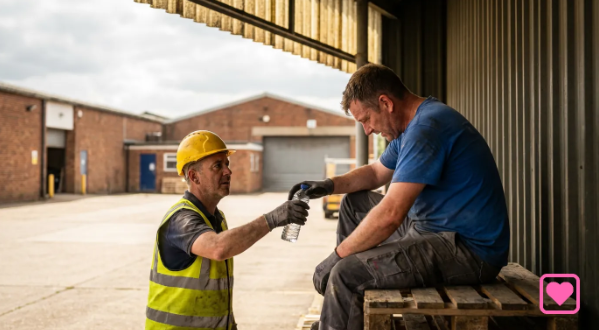

On a still July afternoon, a delivery yard can become dangerous before anyone notices: a new starter is picking orders in a hi-vis jacket, the warehouse doors are open, and the break room thermometer is already climbing. Heat stress is not only a construction or agricultural concern; it can affect kitchens, laundries, factories, warehouses, care settings and offices with poor ventilation, especially where staff wear PPE or move heavy loads, and where first aid training helps supervisors act before symptoms worsen.
Identifying Heat Stress Risks in the Modern Workplace
Heat stress occurs when the body cannot control its temperature well enough to keep working safely. Employers should assess heat risks, train staff on symptoms and emergency procedures, and put controls in place where work may cause overheating. That duty matters because UK workplaces are not always designed for sustained summer heat. Older buildings, enclosed service yards, commercial kitchens and high-output warehouses can trap warmth even when the weather outside looks manageable.
The obvious risks are outdoors: roofing, grounds maintenance, highways, deliveries and security patrols. Less obvious are indoor jobs where heat is generated by ovens, steam, machinery or poor air movement. A laundry room with dryers running all day can expose staff to similar strain as an outdoor shift, particularly if breaks are missed or drinks are kept away from the work area.
PPE can turn a warm shift into a high-risk one. Impermeable coveralls, cut-resistant gloves, helmets, masks, aprons and high-insulation footwear all reduce the body’s ability to lose heat. Heavy manual handling adds another layer because muscles generate heat during exertion. A worker loading cages, cleaning plant rooms or carrying stock upstairs may be at greater risk than a colleague sitting in the same temperature, even if both are technically in the same workplace.
Newer and younger workers deserve particular attention because they may not recognise early symptoms or may feel pressure to keep going. Acclimatisation takes time, and a person on their first week in a hot bakery, warehouse or outdoor crew may not pace themselves sensibly. Supervisors should treat inexperience as a risk factor, not a character issue.
A Managerial Checklist for Extreme Heat
A good heat plan is simple enough to use during a busy shift. It should tell supervisors what to change, who checks on whom, where cool rest areas are, how drinking water is accessed, and what happens if someone shows signs of deterioration. The familiar “Water, Rest, Shade” approach is useful because it translates risk assessment into visible controls. During amber or red weather alerts, managers should make these controls active rather than leaving them as reminders on a noticeboard.
Environmental and Engineering Controls
Physical controls should come before relying on workers to push through discomfort. In many workplaces, the quickest gains come from air movement, shade, insulation and access to cooler recovery areas. A fan placed badly can move hot air around without reducing risk, so supervisors should cheque the actual work position rather than the office thermostat.
- Move hot work away from direct sun where possible.
- Use temporary shade for loading bays, queues and outdoor tasks.
- Increase ventilation in kitchens, laundries and plant rooms.
- Rotate staff away from ovens, dryers or enclosed vehicles.
- Make drinking water easy to reach without leaving the safe work area.
Controls should be tested before peak heat, not improvised at midday. A shaded rest zone, spare drinking containers and a working thermometer are ordinary pieces of preparation, but they change behaviour because staff can see that slowing down is permitted. If PPE traps heat, managers should review task duration and recovery breaks instead of assuming the same schedule still works.
Administrative Shifts and Scheduling
Scheduling is often the cheapest and most overlooked control. In the UK, the sun is usually strongest between 11:00 and 15:00, when UV exposure and radiant heat are also more intense. Moving heavy work outside that window can reduce risk without reducing productivity, particularly for deliveries, maintenance, outdoor cleaning and stock movement.
- Start physically demanding work earlier where contracts allow.
- Move non-urgent outdoor tasks away from 11:00 to 15:00.
- Shorten high-exertion periods and increase recovery breaks.
- Pause non-essential PPE-heavy tasks during severe heat.
- Brief shift leads on the heat plan at the start of each day.
Administrative controls only work if they are visible on the rota and accepted by supervisors. A manager who tells staff to “take care” but keeps the same targets sends the wrong message. Heat plans should name who can stop a task, who approves altered start times, and how changes are recorded for later review.
Personnel Monitoring and the Buddy System
Heat illness can affect judgement, so workers should not be expected to self-diagnose while they are still under pressure. A buddy system gives each person a named colleague who checks speech, balance, behaviour and fatigue during the shift. This is especially useful for lone-feeling roles such as yard work, security rounds, mobile maintenance and remote corners of a warehouse.
- Pair new starters with experienced staff during hot spells.
- Cheque in at set intervals, such as every 30 to 60 minutes.
- Remove anyone from heat if they seem confused or unsteady.
- Tell supervisors immediately if a colleague stops sweating or behaves unusually.
- Do not leave a distressed worker alone in a rest area.
The buddy system should not become casual small talk. Managers need to tell workers exactly what they are looking for and what action to take. That leads naturally to the hardest part of heat planning: knowing the difference between a colleague who needs cooling, fluids and rest, and one who needs urgent emergency help.
Recognising the Warning Signs: Heat Exhaustion vs Heatstroke
Heat exhaustion and heatstroke sit on the same dangerous pathway, but they are not the same level of urgency. Heat exhaustion can often improve if the person is moved to a cooler place, cooled down and given fluids if they are fully alert. Heatstroke is a medical emergency because the body’s temperature control is failing. The key managerial point is not to wait for a dramatic collapse before acting.
Early warning signs may be behavioural before they look medical. A normally calm worker may become irritable, clumsy, unusually quiet or slow to answer. Physical signs can include dizziness, headache, nausea, heavy sweating, cramps, thirst and unusual fatigue. In a kitchen or warehouse, a supervisor might first notice repeated mistakes, a dropped tool, or a worker leaning on a bench between tasks.
Call 999 immediately if a worker is confused, has slurred speech, loses consciousness, has a seizure, or does not improve within 30 minutes of resting in a cool place and drinking fluids. Treat this as suspected heatstroke and keep cooling them while waiting for emergency help.
Cooling should start quickly and continue while help is arranged. Move the person away from heat, remove unnecessary outer layers or PPE, use cool wet cloths, apply ice packs wrapped in cloth to the neck, armpits or groin, and fan them if safe to do so. If they are alert and able to swallow, small sips of water can help.
The NHS gives public-facing advice on heat exhaustion and heatstroke that aligns with the basic workplace message: cool the person, monitor closely and escalate if their mental state changes. Managers should make sure first aiders and supervisors share the same trigger points. Once those warning signs are understood, preparation becomes less about posters and more about practice.
Choosing First Aid Training
Heat planning should start before the first heatwave forecast appears. Staff need to know what the risks look like in their actual workplace, not only in generic sun-safety terms. A short pre-summer briefing can cover drinking water, rest areas, PPE expectations, buddy checks and when to stop work. HSE specifically expects employers to provide information and training where workers may be exposed to heat stress, including symptoms and emergency procedures.
First aiders should refresh the practical details that are easy to forget under pressure. Cooling techniques, safe ice-pack placement, recovery position checks and monitoring airway, breathing and responsiveness should be rehearsed, not merely read. HSE recommends annual refresher training to help first aiders maintain skills between full certificate renewals. The three-year certificate cycle is not the same as the recommended annual skills refresh, and managers should avoid confusing the two.
Set supervision and monitoring arrangements in proportion to your risk assessment, especially where staff are spread across a yard, floor or outdoor site. HSE does not mandate a specific supervision ratio for heat.
Professional preparation turns written procedures into shared habits. First aid training gives staff repeated practice in recognising deterioration, communicating clearly and starting basic care while waiting for further help. It also helps managers test whether the heat plan is realistic: where ice packs are stored, who has a radio, which door gives the fastest access for paramedics, and whether someone on a late shift would know the same procedure as the day team.
Next Steps for UK Health and Safety Leads
A formal heat stress risk assessment should now sit alongside other seasonal safety checks. Review the hottest work areas, the most physical tasks, PPE requirements, shift patterns, access to drinking water and the experience level of staff. The assessment should be updated after any heat-related incident, near miss or significant change in work activity. HSE’s first-aid guidance for employers can help managers cheque whether their first aid cover still matches the risks on site.
The workplace kit should support the plan rather than sit untouched in a cupboard. Instant cold packs, a digital thermometer, clean cloths, oral rehydration supplies, spare drinking containers and clear incident forms are sensible additions where heat is foreseeable. Reading a checklist cannot replace practice, so supervisors and first aiders should rehearse the sequence: spot the warning signs, remove heat exposure, start cooling, monitor the person and escalate when mental state changes.Training providers such as Brity® run workplace first aid training across the UK, and managers preparing for summer should use that kind of practical support alongside local risk assessment, refreshed procedures and a clear site-level heat pla