
Security has become a top priority for businesses, government organizations, healthcare facilities, schools, and homeowners alike. As technology advances, security threats have become more sophisticated, requiring organizations to move beyond traditional alarm systems and adopt more proactive monitoring solutions. Theft, unauthorized access, vandalism, fire emergencies, and environmental hazards can occur at any time, making continuous monitoring essential for protecting people, property, and valuable assets. Modern monitoring services provide around-the-clock surveillance, rapid emergency response, and real-time communication that significantly reduce risks and improve overall safety.
Unlike standalone security systems that simply trigger alarms, professional monitoring services ensure that alerts receive immediate attention. Trained operators evaluate each situation, verify incidents when possible, and contact emergency responders without unnecessary delays. This continuous oversight allows organizations to respond faster while minimizing potential damage caused by unexpected security events.
Understanding Modern Monitoring Services
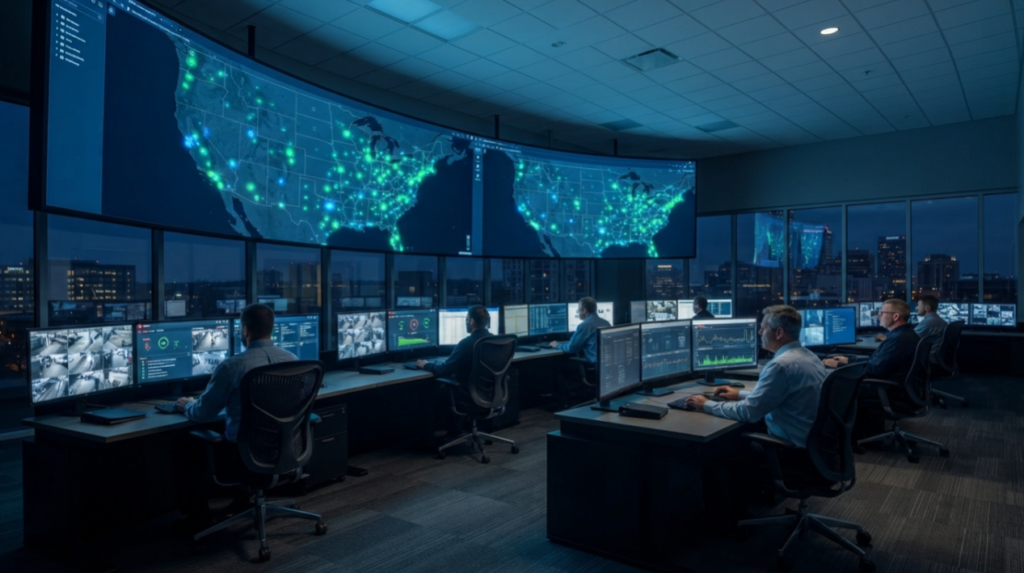
Security monitoring involves much more than watching surveillance cameras. Today’s monitoring centers integrate alarm systems, surveillance cameras, access control technologies, fire detection systems, environmental sensors, and emergency communication platforms into a centralized operation. This comprehensive approach allows security professionals to monitor multiple locations simultaneously while responding to a wide range of incidents.
Centralized monitoring improves coordination by bringing together various security technologies within a single platform. Whether an intrusion alarm activates during the night or a fire detection system identifies smoke inside a facility, trained personnel can immediately assess the situation and initiate the appropriate response procedures.
Faster Emergency Response
One of the greatest advantages of professional monitoring is the ability to respond quickly during emergencies. Every minute matters when dealing with break-ins, fires, medical incidents, or other critical situations. Delayed responses can increase financial losses, property damage, and safety risks.
Monitoring centers operate twenty-four hours a day, ensuring someone is always available to receive alerts and coordinate emergency action. Once an alarm is triggered, operators review available information, verify the incident whenever possible, and notify emergency responders according to established protocols. This rapid communication helps reduce response times while improving the effectiveness of emergency services.
Protecting Multiple Locations
Many organizations operate across several offices, retail stores, warehouses, manufacturing facilities, or commercial buildings. Managing security independently at each location can become difficult, particularly when resources are limited. Centralized monitoring simplifies oversight by allowing all connected properties to be supervised from a single monitoring center.
A professional statewide monitoring company provides consistent protection across multiple facilities while maintaining standardized response procedures. Whether organizations manage a handful of locations or an extensive statewide operation, centralized monitoring ensures every property receives continuous attention. This unified approach reduces security gaps while providing leadership with greater visibility into the overall security status of their facilities.
Supporting Businesses Around the Clock
Business operations do not always stop when employees leave for the day. Warehouses store valuable inventory overnight, healthcare facilities operate continuously, and critical infrastructure requires uninterrupted protection. Around-the-clock monitoring provides reassurance that security remains active even during evenings, weekends, holidays, and other periods when facilities may be unoccupied.
Continuous monitoring also supports businesses experiencing after-hours deliveries, maintenance work, or remote operations. Security professionals can identify unusual activity quickly while confirming whether alerts represent genuine emergencies or authorized access.
Improving Situational Awareness
Modern monitoring systems integrate numerous technologies that provide security personnel with valuable situational awareness. Video surveillance allows operators to visually assess incidents before dispatching emergency responders. Access control systems track building entry and exit activity, while environmental sensors detect hazards such as smoke, flooding, or temperature changes.
Combining multiple data sources enables monitoring personnel to make informed decisions during emergencies. Instead of relying solely on alarm notifications, operators evaluate available information to determine the most appropriate response while reducing unnecessary emergency dispatches.
Enhancing Public Safety
A reliable statewide monitoring company contributes to broader public safety by coordinating efficiently with local law enforcement, fire departments, and emergency medical services. When verified incidents occur, accurate information can be shared quickly with responding agencies, helping emergency personnel prepare before arriving on site.
This coordinated communication improves incident management while supporting faster resolution of emergencies. Businesses, schools, healthcare providers, and public institutions all benefit from improved collaboration between monitoring centers and emergency responders.
Reducing Operational Risk
Every organization faces operational risks that extend beyond criminal activity. Equipment failures, environmental hazards, power outages, water leaks, and fire emergencies can disrupt operations unexpectedly. Continuous monitoring helps detect these issues early, allowing organizations to respond before minor problems develop into major incidents.
Early detection often reduces repair costs, minimizes operational downtime, and protects valuable assets. Businesses can maintain continuity more effectively while reducing financial losses associated with unexpected disruptions.
Supporting Compliance and Accountability
Many industries operate under regulatory requirements that mandate specific security measures. Healthcare facilities, financial institutions, educational organizations, and government agencies frequently require documented monitoring procedures to maintain compliance with industry standards.
Professional monitoring services help organizations meet these requirements through detailed event logging, alarm histories, access records, and incident documentation. These records support internal audits while providing valuable information for investigations or regulatory reviews.
Leveraging Advanced Security Technology
Security technology continues evolving rapidly through artificial intelligence, cloud-based monitoring, smart sensors, and intelligent video analytics. Modern monitoring centers increasingly use automated systems to detect suspicious behavior, identify unusual movement, and prioritize alerts according to potential risk.
Cloud connectivity further improves flexibility by allowing authorized personnel to monitor facilities remotely while receiving real-time notifications on mobile devices. These technological advancements strengthen security while improving operational efficiency for organizations of every size.
Building Confidence Among Employees and Customers
Visible security measures contribute significantly to employee confidence and customer trust. Individuals feel safer when they know professional monitoring services actively protect their workplace, shopping environment, healthcare facility, or educational institution. Strong security practices also demonstrate an organization’s commitment to protecting people and maintaining safe operations.
This confidence extends beyond physical safety. Businesses with reliable monitoring systems often strengthen their professional reputation by showing customers, partners, and stakeholders that security remains a strategic priority.
Preparing for Future Security Challenges
As businesses continue adopting digital technologies and expanding operations, security requirements will become increasingly complex. Organizations need monitoring solutions capable of adapting to new technologies, evolving threats, and changing operational needs.
Future-ready monitoring services integrate advanced analytics, intelligent automation, cloud infrastructure, and scalable security platforms that support long-term growth. Investing in comprehensive monitoring today helps organizations remain prepared for tomorrow’s challenges while maintaining consistent protection across all facilities.
Conclusion
Effective security depends on more than alarms and surveillance cameras. It requires continuous monitoring, rapid emergency response, coordinated communication, and proactive risk management. Professional monitoring services provide organizations with around-the-clock protection that strengthens security while improving operational resilience.
By integrating advanced technology with trained monitoring professionals, businesses and institutions can detect threats earlier, respond more efficiently, reduce operational risks, and maintain safer environments for employees, customers, and visitors. As security challenges continue evolving, comprehensive monitoring remains one of the most valuable investments organizations can make to protect their people, property, and long-term success.